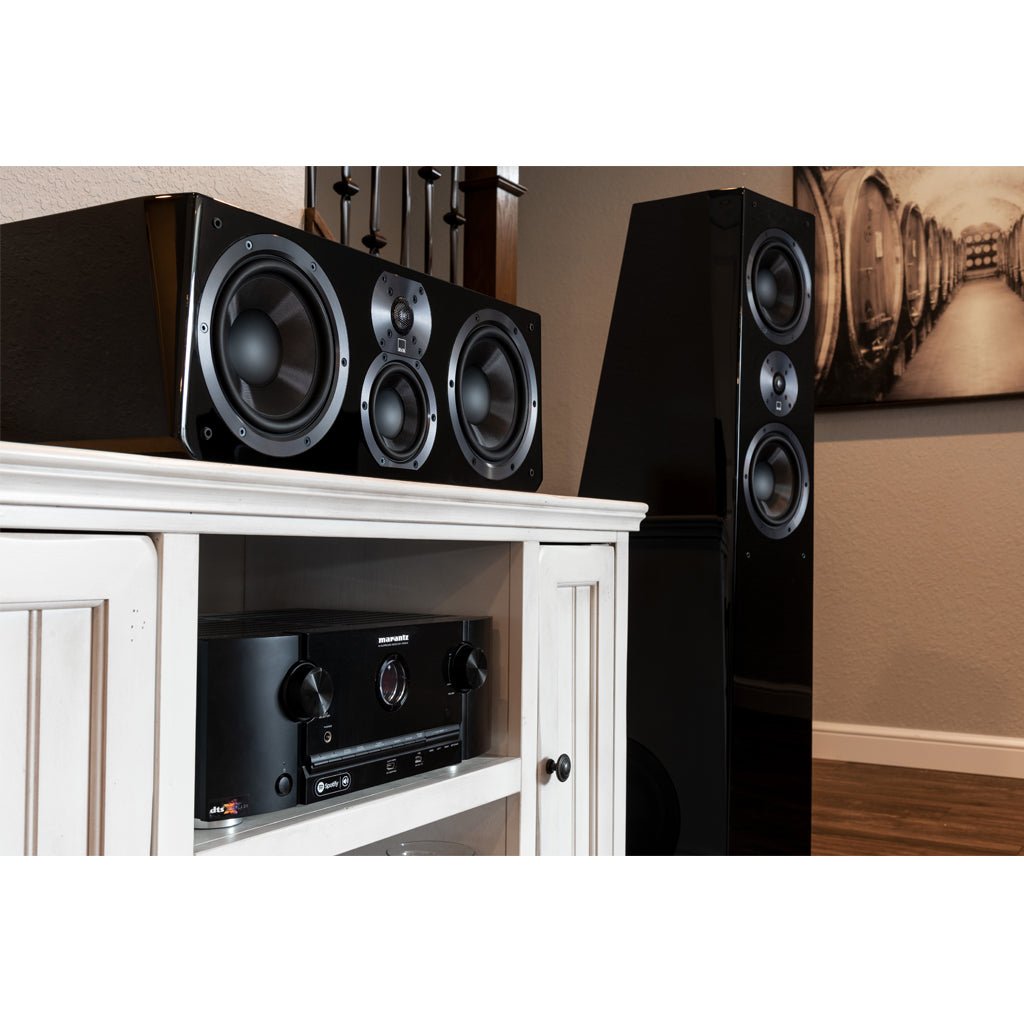


Tower speakers are one of the rare audio products most consumers believe they know all about right from the start. They’re big, taller than bookshelf speakers anyway. They claim to produce a larger soundstage. And yeah, they typically cost more money. Got it? Great. Now go look at a few models side-by-side. Problem is, they all seem so different.
One brand boasts multiple woofers. Another claims to go deeper than the rest. Someone else decided to charge you thousands more dollars than anyone else. Before you know it, you’re poring over the specs, utterly baffled about what’s important.
Let’s face it. The features that set tower speakers apart from the competition aren’t always obvious. Cues like design, driver layout, and room interaction matter more than physical size. Here, we break down exactly what makes tower speakers unique. We also highlight who these speakers are suited for and what features you should pay attention to prior to purchase.
What Makes Tower Speakers Different from Other Speaker Types?
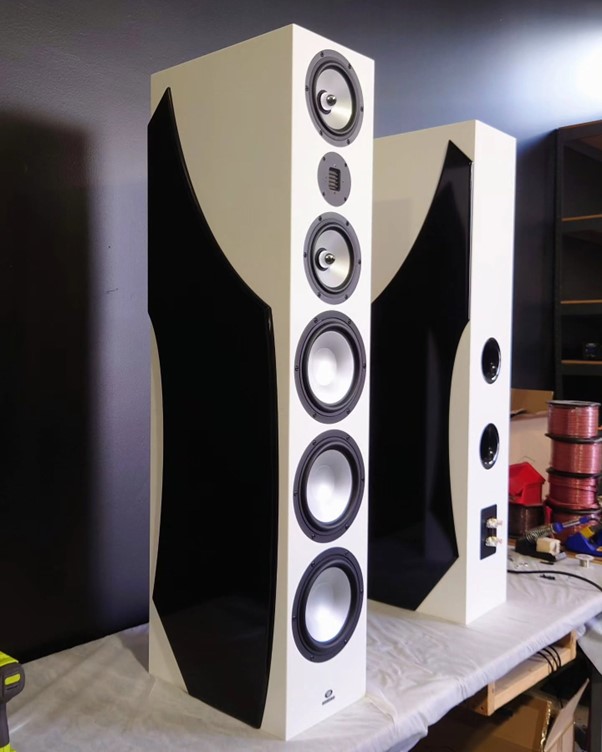
Tower speakers are different from other speaker types due to their extended range of dedicated drivers working in tandem within a single cabinet. Compared to soundbars that squeeze everything into one enclosure or satellite speakers that heavily lean on a subwoofer, towers can reproduce much more sound with ease.
That’s why they’re also known as floor-standing speakers. With such a tall cabinet, there’s room for individual woofers, midrange drivers, and tweeters to handle more of the audio spectrum together instead of overburdening one small driver. The SVS Prime Tower takes this traditional design route with its multiple drivers stuffed into a thin cabinet in order to produce fuller sound. Size helps, of course, but there’s more to the story. Hear for yourself when your room is filled with effortless, room-filling sound from tower speakers.
Why Do Tower Speakers Create a More Immersive Listening Experience?
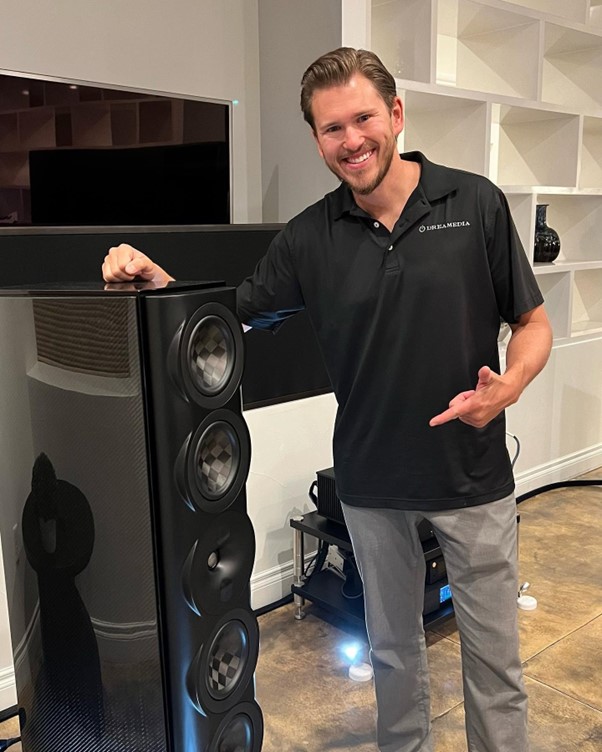
Tower speakers offer more immersion because they move more air, cover more area, and reproduce more of the soundtrack by themselves.
| Feature | Tower Speakers | Bookshelf Speakers |
| Cabinet Volume | Larger | Smaller |
| Soundstage | Wider | Narrower |
| Bass Extension | Deeper | More Limited |
| Dynamic Range | Higher | Lower |
| Room Coverage | Better | More Restricted |
Many people equate immersion with bass. It’s more than that. Bass plays a role, certainly. But what really captures your attention is how much space you hear. When you listen to a quality set of tower speakers, the vocals no longer seem like they’re coming from the cabinets. Instruments can be all around you. Effects in movies feel like they’re exploding outside the walls rather than shooting across the room from one speaker to the next.
A big reason for that is the size of the cabinet. So is devoting different drivers to specific parts of the frequency spectrum. RBH Sound Reference 61-M does that with dual 8-inch woofers, a dedicated midrange driver, and an AMT tweeter. Each driver has less range to cover. As a result, they each do their jobs better. Busy soundscapes are less likely to blur together into an unintelligible wall of sound. You hear more definition. More depth. Those tiny details that make movies sound real and music come alive.
Who Needs Tower Speakers?
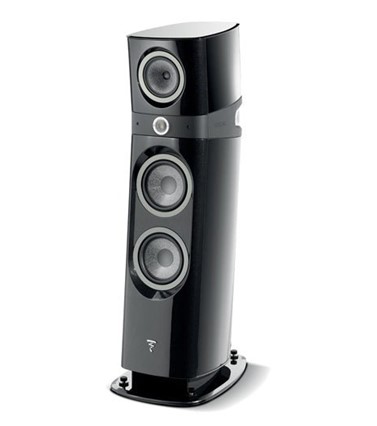
Tower speakers are ideal when your speakers need to do more than just fill a cozy room. Perhaps your living room spills out into the kitchen. Maybe you regularly host movie nights. Or maybe you still listen to albums all the way through. Any time you find yourself in those situations, tower speakers will probably sound more effortless than other options.
| Listener Type | Recommended Tower Speaker |
| First Upgrade from TV Audio | SVS Prime Tower |
| Movie Enthusiast | SVS Ultra Evolution Tower |
| Audiophile | Focal Sopra N2 |
| Large-Room Listener | Perlisten R7t |
Tower speakers aren’t ideal for every situation. A tiny bedroom or desktop setup, or a cramped apartment, may never allow a tower speaker to truly shine. In smaller spaces, a quality bookshelf speaker will often be a better choice. Towers tend to excel once they have some room to breathe.
What Features Matter Most When Buying Tower Speakers?
Choosing the right tower speakers can seem daunting, but you can narrow down your options by focusing on driver quality, cabinet construction, efficiency, and room size. While all those specs are important, they’ll only get you so far. Ultimately, it comes down to how they work together.
Driver Configuration
Speaker systems can be either two-way or three-way. Two-way speakers use a woofer and tweeter. Three-way speakers add a dedicated midrange driver, which can improve vocals and instrument separation. The RBH Sound Signature 6500 features three 6.5-inch woofers, two midrange drivers, and an AMT tweeter, allowing each driver to specialize in its respective portion of the frequency range instead of each driver reproducing the entire spectrum.
Cabinet Construction
Speaker cabinets should do more than just hold your drivers in place. Excessive vibration can muddy the sound, so high-quality tower speakers are typically built with dense materials and include internal bracing.
Sensitivity and Power Handling
Most people look at wattage first when comparing speakers, but sensitivity is often more useful. This number tells you how efficiently your speakers convert amplifier power into actual sound. In other words, some well-designed speakers can sound amazing and powerful without requiring insanely high power ratings.
Active vs Passive Tower Speakers: Which Is Better?
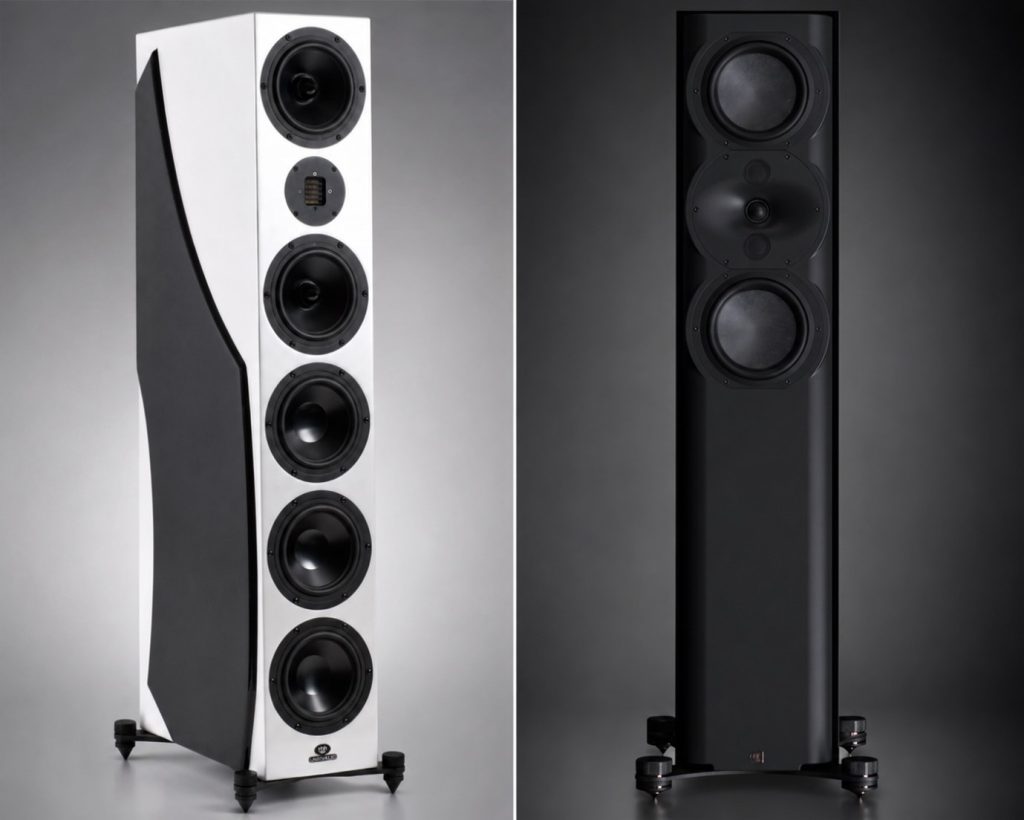
There’s no right answer here.
| Active Tower Speakers | Passive Tower Speakers |
| Built-in amplification | External amplifier required |
| Easier setup | More upgrade flexibility |
| Fewer components | Greater customization |
If you care mostly about convenience, then active speakers have a point to prove. RBH Sound UNRIVALED 6500/AX features built-in amplification and DSP, so most of the heavy lifting involved in system matching is already done.
Passive speakers take a different route. Something like the Perlisten R5t allows you to select your own amplifier and make changes down the road. Enthusiasts who like to tinker will appreciate the ability to upgrade individual components. Speaker types matter, but your room size is just as important. Don’t feel bad if your favorite speaker just doesn’t sound right in your room. There’s a lot that goes into building the acoustically appropriate speaker, and placement is just as critical as any specification you can find on paper.
What Size Room Is Best for Tower Speakers?
Tower speakers work best when paired with an appropriate sized room. Room volume does not necessarily equate to bigger is better. You can easily overpower a small bedroom with too much box. On the flip side, you may struggle to fill your large open living space with something that’s too small.
| Room Size | Recommended Example |
| Small to Medium | SVS Prime Tower |
| Medium to Large | RBH Signature 6500 |
| Dedicated Theater Room | Perlisten S7t |
| Reference Listening Room | Focal Sopra N3 |
Most consumers focus on the speakers and overlook the room. Room is 50% of the equation. Something small and compact like an SVS Prime Tower will be easier to place than a large floorstander in most rooms. Bigger towers like the RBH Signature 6500 or Perlisten S7t typically require more space. Move them further away from close walls, and you’ll likely hear bigger, cleaner, and more natural sound.
What Mistakes Should You Avoid When Buying Tower Speakers?
Consumers often focus on specs far longer than they focus on where the speakers will actually reside. Take wattage, for example. Larger numbers tend to sound better on paper, but they won’t always sound better in your room. Room size is extremely important. Just because a speaker can blast you away in a dedicated theater room doesn’t mean it won’t sound overpowering in a smaller room.
Placement is another area consumers spend far too little time focusing on. Smash those tower speakers up against the wall, and you’ll likely be left with inflated bass and a smaller soundstage. Focus solely on bass, and you’ll run into the same issue. While deep bass is enjoyable, imaging is what sells you on the music and movies.
If you don’t believe me, look at the Focal Sopra N3. This is one incredible speaker, but that doesn’t make it suitable for every room. Throw it into a smaller room, and you may not be using its full potential. Now and then the smartest speaker purchase isn’t the most powerful…. It’s the one that fits your room.
How Much Should You Spend on Tower Speakers?
Real talk? Not as much as you might think. When consumers first start looking into tower speakers, they often gravitate toward the highest-priced models. Logic dictates that a $12k speaker will blow away a $4k model. In some cases it will. But many times the gap in sound quality is far less than you’d expect.
| Budget Tier | Example Products |
| $1,000–$2,000 | SVS Prime Tower, RBH Impression 85 |
| $2,000–$5,000 | SVS Ultra Evolution, RBH Signature 6500 |
| $5,000–$10,000 | Perlisten R5t, RBH Reference 6500 |
| $10,000+ | Perlisten S7t, Focal Sopra N2 |
| Reference-Level | Focal Sopra N3, RBH Unrivaled 8300/AX |
Somewhere in the midrange lies the sweet spot for most rooms. Something like the RBH Signature 6500 sits comfortably in that range around $4200 per pair and delivers bass, detail, and scale that audiophiles spend decades pursuing.
Once you start pushing into the Perlisten S7t or Focal Sopra N3 price range, you’re spending money on refinement. Yes, their drivers are better. Yes, their cabinets are better. Yes, everything is more precise. But that doesn’t necessarily mean you’ll notice the difference. Choose the speaker that matches your room and how you listen to music. That will always be better money spent than just going with the most expensive option.
Conclusion
Hopefully by now it’s become clear that tower speakers are not just bookshelf speakers standing on stilts. That additional cabinet space makes a difference. So does driver configuration. Largely that’s where the lower bass extensions, bigger soundstage and room-filling sound originate.
The error people often make is equating size with performance. A ridiculously large tower speaker will overwhelm a small room just as easily as a diminutive bookshelf will pale in a larger space. Find the right match, however, and a quality set of towers will transform your listening experience. Movies, music, and yes…even daily background listening will sound far better. Long after you’ve forgotten about those specs, this is the part you’ll remember.
FAQ
Should I buy tower speakers or bookshelf speakers?
It depends. Tower speakers generally provide deeper bass, larger soundstage, and more power. However, bookshelf speakers may still be preferable in smaller spaces.
Do tower speakers work with a subwoofer?
Yes. While tower speakers often provide adequate bass response, supplementing with a subwoofer allows for greater extension of low frequency response and enhances overall sound quality. This is especially helpful with home theater systems and for larger rooms.
How close can tower speakers be to the wall?
Ideally, you want them 1–3 feet away. Any less and the bass can sound bloated and less articulate.
What size room are tower speakers best for?
Tower speakers are best suited for medium and large rooms. They have plenty of extra output and a wide soundstage that needs room to spread.
Are high-end tower speakers worth it?
They can be. Speakers at higher price points will typically play better with improved detail, dynamics, and build quality. However, most of the leaps in sound quality occur before reaching flagship-level prices.