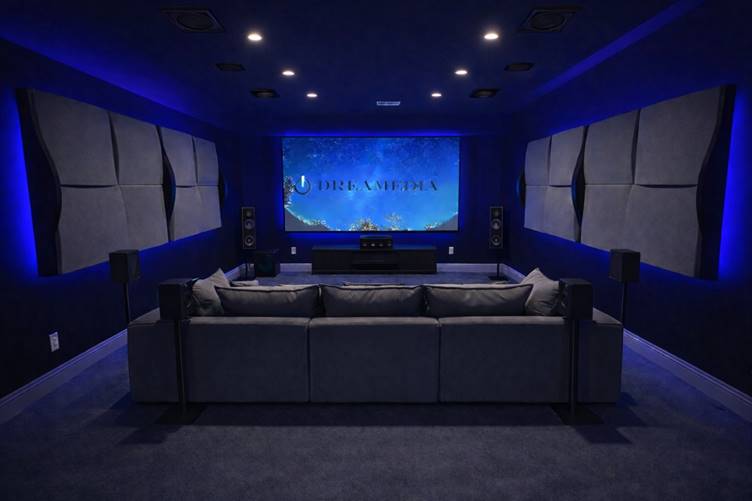


There is a right way and a wrong way to pick gear. The right way involves all your equipment needing to match your room, not just each other. Even small details like lighting, seating distance, and wall reflections influence what equipment should be in your setup.
In this guide, we’ll walk you through how to choose the right setup step by step. From your room and layout to your audio and video choices, you’ll learn what works and the common mistakes most people make.
What a Home Theater System Actually Includes
All home theater systems come down to three parts working together: the display, the sound, and the control. If one part is missing or mismatched, and the whole setup will fall apart. That’s why understanding how each piece matters more than buying the most powerful and loudest speakers and amplifiers.
For the display, you’re choosing between a TV or one of the larger projectors paired with a screen. Then comes audio, built around multiple speakers placed around the room to create true surround sound. Finally, everything runs through receivers & amplifiers, which process and send sound to each speaker correctly.
Before you decide on any of these, the first thing to get right is your room.
Start With Your Room (The Most Overlooked Step)
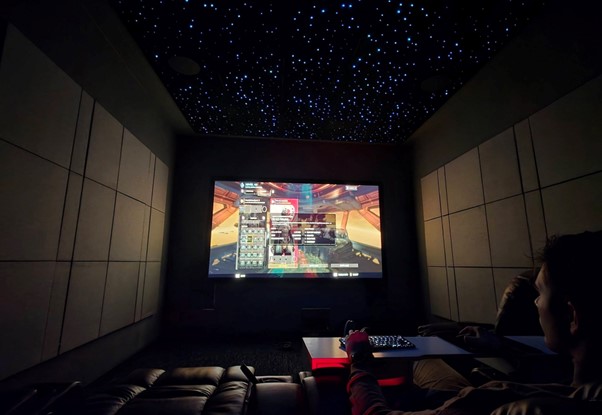
Before you pick the first equipment you see on a rack, you need to look at your room. Size, layout, and surfaces are all room factors that affect how your setup performs. A small room with large speakers can feel overwhelming, while a large room with a weak setup will sound thin. The goal is to match your system to the space so everything feels natural.
Another factor to consider is light. Bright rooms have a tendency to wash out projected images, which is why darker theaters work better for projectors. This is where simple upgrades like adding the right lighting and shades make a real difference. The same applies to sound. Hard surfaces like walls and floors reflect audio and create echo, which reduces clarity. A simple acoustic panels or even soft materials can control those reflections with ease.
Once your room is treated, it becomes much easier to choose the right display and setup.
Choosing Between a TV or Projector
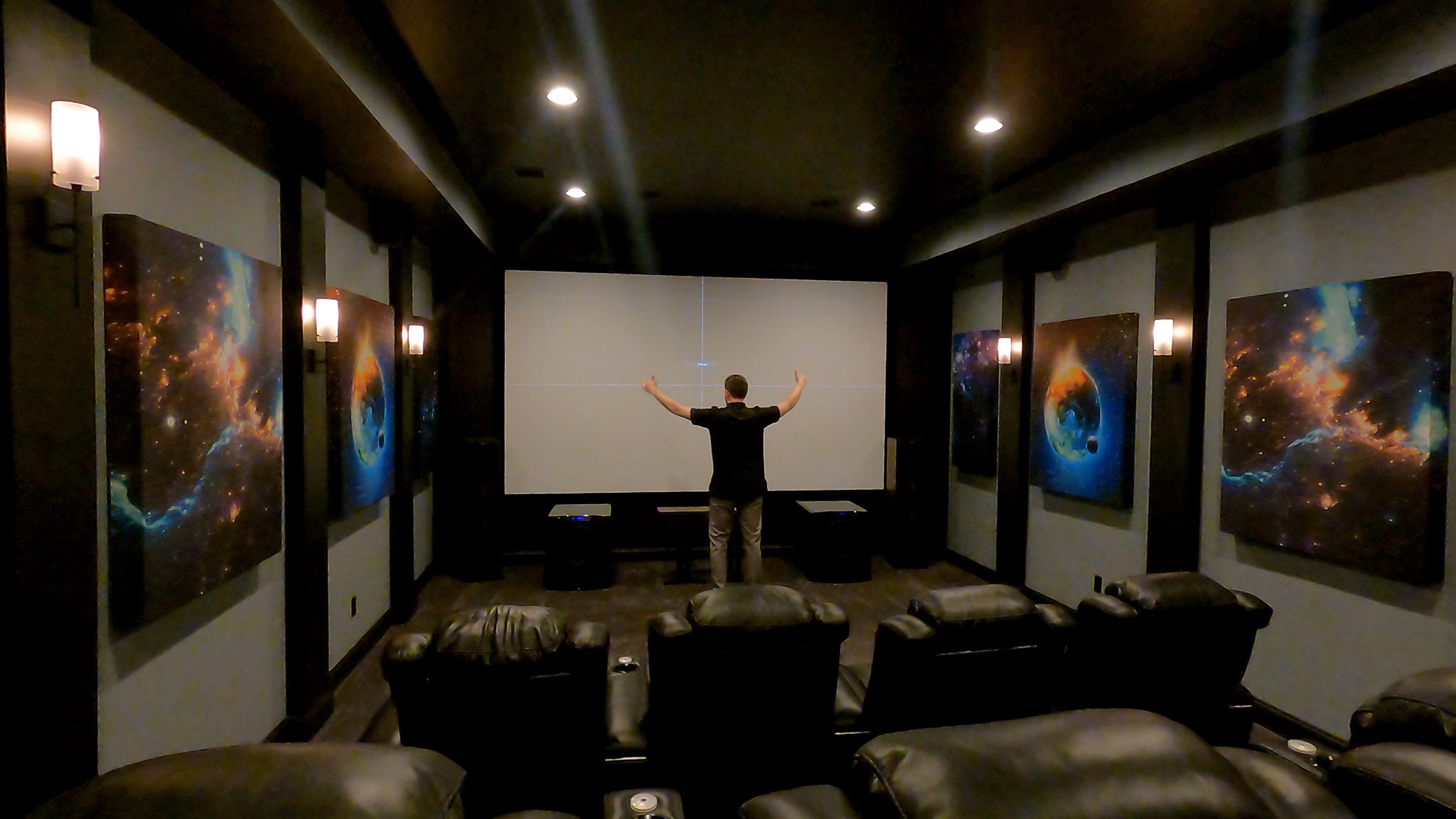
This decision between whether to pick a TV or projector comes down to your room. If your room has a lot of natural light or you watch majority of your content during the day, a TV is always the safer choice. It stays bright, keeps colors clear, and doesn’t rely on you dimming the room to let you enjoy it. While in brighter spaces, even strong projectors can lose contrast, which makes the image look flat.
So, if you can control light or you’re working with a darker room, a projector is the best option. When you then pair that projector with the right screen, the picture stays even and consistent across the full size. The tradeoff is simple. Do you want a setup that can handle brightness? Pick a TV. Do you want scale and a more immersive feel? A projector is your best bet.
Understanding Sound (This Is Where Most Setups Fail)
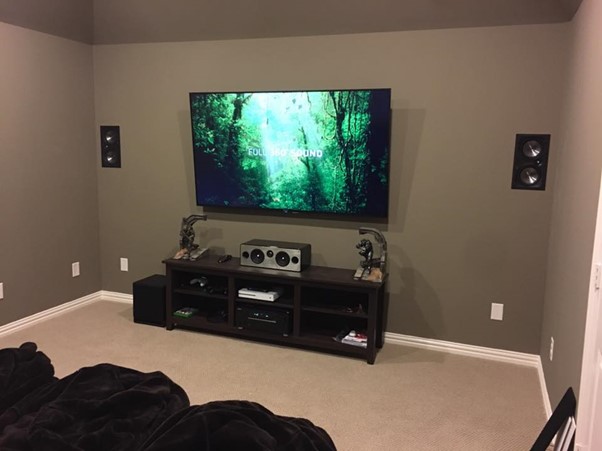
Most people think that setups fail because of the screen or projector. However, the real culprit is the sound. A basic 2.1 setup gives you left, right, and a subwoofer. Which works fine for small setups, but don’t expect true surround, because everything anchored on the front. Move to 5.1 setup and you add a center speaker for dialogue and rear speakers. That format is the standard for most rooms, because it creates a full sound field. A 7.1 setup adds even more rear channels, which helps in larger spaces. Dolby Atmos goes further by adding height speakers, so sound comes from above, not just around you. Overall, the key is matching your home audio setup to your room.
The Role of the Receiver (The Brain of Your System)
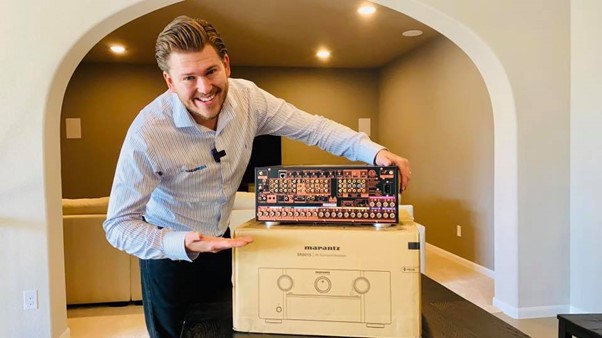
Every setup needs one piece that brings everything together, and that’s the receiver. This is your control center, it takes audio from your TV, media player, or console, processes it, and sends it to your speakers. This is how surround sound works, with dialogue at the center and the effects around it. The goal is to have everything in perfect sync.
To have the best results, your receiver needs to support the number of speakers you’re running, whether that’s a basic 5.1 setup or a more advanced configuration. Another factor to consider is whether your receiver has enough power. A receiver needs to have enough power to drive a setup to produce clean sound. If there is not enough power, you will introduce distortion, which can alter the whole experience.
Seating, Layout, and Viewing Distance
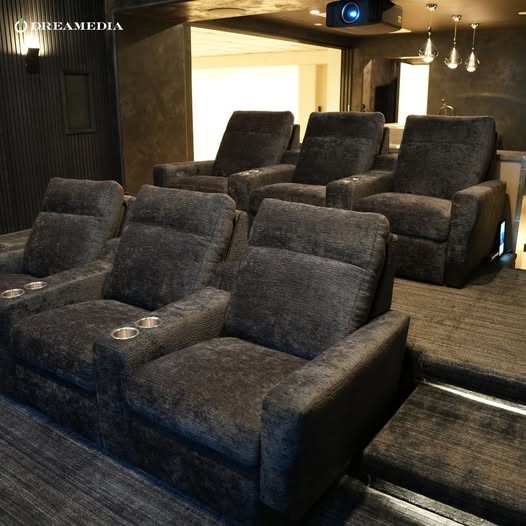
A great home theater system doesn’t come together until you get the seating right. Distance is the first thing to consider. If you sit too close and you will immediately notice flaws in the image. Also, if you sit too far the image loses its impact and feels smaller than it should. A simple rule is to seating distance, is to keep your seating about two to five times the screen width, depending on the immersion you want it to feel.
But distance alone is not enough, layout matters just as much. Your main seats should face the center of the screen with no obstruction in the way. The goal is to leave enough space between the seats and walls so sound can move properly around your home theater system. That’s why choosing the right home theater seating is a meticulous process and if possible done with the aid of professionals who knows what works. Another factor you have to account for is comfortability. If the seats don’t support your back, neck, and viewing angle, you will need to adjust yourself constantly throughout your movie.
Height and positioning tie all this together. Your eyes should line up naturally with the center of the screen without tilting your head up or down. Features like recline, headrest support, and proper row spacing help keep every seat usable, not just the one in the middle.
Don’t Ignore Acoustics and Environment
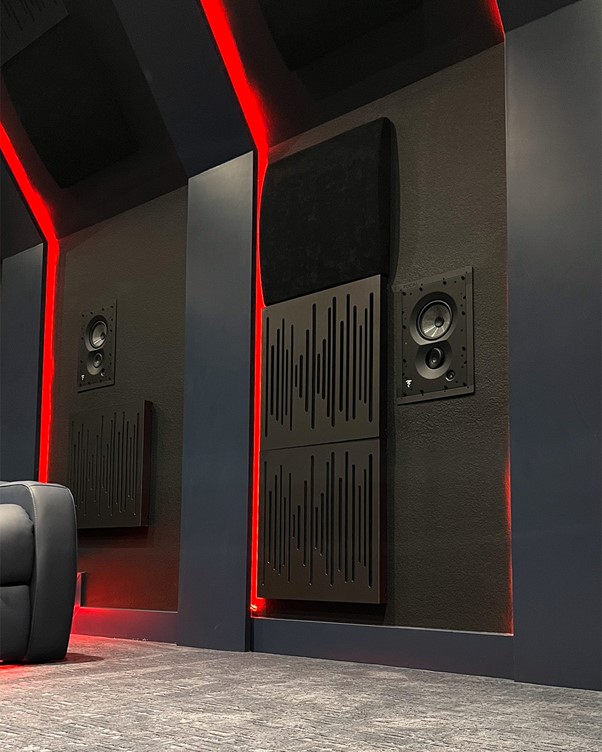
Even with the right gear, your room can work against you. Sound doesn’t just travel from your speakers to your ears. It hits your walls, floor, and ceiling, then bounces back. That reflection creates echo, overlap, and uneven sound. In rooms with hard surfaces like tile, glass, or bare walls, this effect gets worse fast, making dialogue less clear and surround effects harder to place.
This is why untreated rooms often sound flat or messy, even with good equipment. Simple changes help more than most people expect. Rugs, curtains, and especially acoustic panels reduce reflections and clean up the sound. They don’t make your system louder, they make it clearer.
Once your sound is controlled, the next step is making sure everything works together seamlessly through your system setup.
Smart Features That Actually Matter

Smart features only matter if they make your home theater system easier to use day to day. With proper smart home integration, you can control your lights, sound, and display from one place instead of juggling remotes. Everything works together, so switching from a movie to music or gaming feels seamless.
That same idea carries into voice control. You can adjust volume, switch inputs, or start playback without stopping what you’re doing. It works best when your system is already set up correctly.
Your media player ties it all together. Most home theater systems today rely on streaming, so it needs to handle apps, formats, and switching between sources without delay. If moving between content feels slow or inconsistent, it has a way of breaking the experience.
Once control is simple and consistent, the next step is making sure your system matches your budget.
Budgeting the Right Way
Most people get this wrong by spending heavily on the screen and cutting corners on sound. That imbalance shows up immediately. A large display with weak audio still feels underwhelming, while a balanced setup delivers a much better experience. Your budget should be split across display, speakers, and receivers & amplifiers, not focused on just one piece.
It also helps to plan for what doesn’t show up on the spec sheet. Mounts, cables, power management, and even room adjustments like seating or acoustic treatment all add up. These are not extras. They directly affect how the system performs and how clean the setup feels.
Think beyond the first purchase. Cheaper gear often gets replaced quickly, while better components last longer and scale with upgrades. It is usually better to build a solid foundation and expand later than to replace everything within a year.
Common Mistakes to Avoid
We’ve seen great gear underperform for the same reasons again and again. The first is overspending on the screen while ignoring everything else. A larger display looks impressive, but if it doesn’t match your seating distance, you either lose detail or strain to watch comfortably.
The second mistake is ignoring acoustics. Hard walls and open spaces reflect sound, which leads to echo and uneven audio. Even a strong surround setup can sound hollow if the room isn’t treated. Then there’s placement. Speakers too far, too close, or at the wrong angle break the surround effect completely.
When to Go Custom vs DIY
A simple setup is something you can handle yourself. A TV, a basic surround system, and a clean layout can work well if the room is straightforward and expectations are realistic. A lot of people start here. If you’re going that route, don’t guess your layout. Use a proper home theater design tool to map your room, test screen size, seating distance, and speaker placement before you buy anything. It gives you a clear picture of what will actually work, not what you hope will work.
Where DIY becomes a problem is when the home theater system gets more complicated. Multiple rows, projection, Dolby Atmos, or acoustic treatment all depend on decisions being made in the right order. Most mistakes don’t come from bad gear. They come from locking things in too early and having to work around them later. If you want to avoid that, follow a structured process like this installation guide, or get a second opinion. Even one expert review can catch issues you won’t see until it’s too late.
Conclusion
Choosing the right home theater system comes down to getting the basics right and making sure everything fits your space. Your room, your layout, your audio setup, and your display all work together. When those are aligned, the system performs the way it should. When they are not, even expensive gear can feel underwhelming.the
If you want to get it right the first time, it helps to work with people who do this every day. A quick consultation can save you from costly mistakes and help you build a system that actually delivers what you expect.