Upgrade culture runs rampant through the home theater hobby. New speakers. Larger subwoofers. Projector with improved contrast. Chances are you’ve all wondered what you should upgrade next. The irony is that one of the most significant upgrades you can make is the installation of acoustic panels.
You can purchase the best speakers money can buy and still be left with muddy dialogue, boomy bass, or surround effects that never quite hit the sweet spot. Once you get there, buying new gear just fixes less and less. The room still behaves however it wants to.
That’s where acoustic panels come into play. They’re far from the most exciting purchase you can make, but they have a huge impact on how everything else performs. If you find yourself wondering what the best acoustic panels for home theater are in 2026, you’ve come to the right place. We’ll discuss which products are worth your time and the problems they can eliminate.
Why does my home theater room sound horrible even if I spent a lot of money on speakers?
Because your room is part of your sound system. Once sound exits your speakers, it begins to reflect off of every hard surface in the room. Walls, windows, ceilings, and floors all send reflections back into the listening area. Those reflections arrive moments after the direct signal, creating unfocused dialogue and unconvincing surround effects. Often times the speaker is not to blame at all. The room is coloring your sound.
As for bass, low-frequency sounds love to bunch up in corners and along room boundaries. Which causes certain notes to play louder than others. That’s why your subwoofer booms in one seat and rattles in the next. Combine that with structure vibration, and you’ve got a hard to ignore problem.
What Do Acoustic Panels Actually Do?
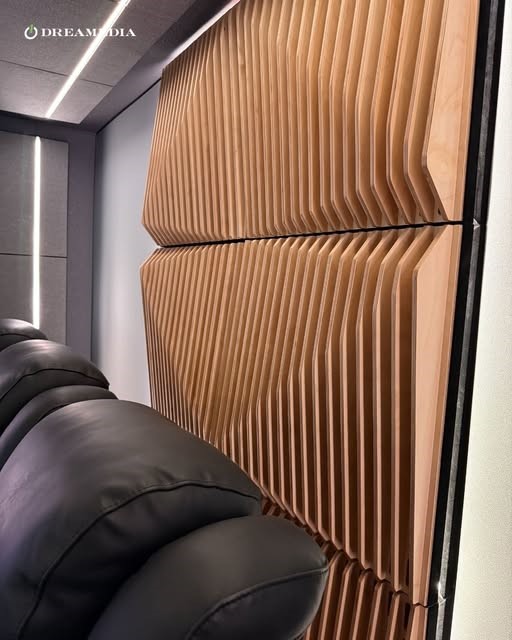
First and foremost, acoustic panels absorb reflected sound. Repeat. Your acoustic panels absorb sound that is reflecting off of walls, ceilings, windows, etc. Everything that your speakers are playing is bouncing around the room like crazy. Especially the harder surfaces in your room. When a room is super reflective, it can be difficult to make out subtle details in the sound.
Large amounts of reflections can make it difficult to hear what people are saying when a lot is going on in a movie or TV show. Voices start to fight with all of the other sounds around them. Sound effects don’t seem as exact as they should. This is where good acoustic panels can help. Using acoustic panels will reduce those reflections allowing you to hear dialogue more clearly and keeping sounds from bouncing all over the room where they don’t belong.
While acoustic panels do a lot for the audio in your room, they won’t soundproof it. People use those terms interchangeably all of the time, but they don’t mean the same thing. When you soundproof a room, you are preventing sound from escaping it. Acoustic treatment is used to control how sound behaves inside the room. So, if you are looking for a product that can help with both, look at something like the Vicoustic Vicwallpaper VMT Deck 30, but your annoying neighbors won’t be happy that you watched your movies in stealth mode.
Why Acoustic Panels Aren’t the Solution to Everything
Acoustic panels are effective at managing reflections, but they aren’t the whole story. When speech sounds tinny, or you hear echoes in a room, installing absorption panels can reduce reverberation. They’re frequently installed at first reflection points around a room, where sound will bounce off a wall before reaching your ears. Clarity is usually the first thing that improves when acoustic treatment is added to those spots.
Bass behaves differently than mid and high frequencies. Low notes tend to pile up in corners and against walls, bouncing around and producing peaks that emphasize certain notes far above the others. Bass traps absorb some of those rogue frequencies, producing tighter bass and improving your subwoofer’s integration with the room.
Absorption can also go too far. At some point, rooms with too many absorption panels may begin to sound dead or boxed in. This is where diffusers, such as Trap Fuser, come into play. Where absorption dulls sound, diffusers scatter it. They preserve a room’s sense of spaciousness and depth. That becomes increasingly important in larger home theaters and multichannel setups like Dolby Atmos. Rooms with the best-sounding audio usually employ a combination of all three.
How Do You Choose the Right Acoustic Panels?
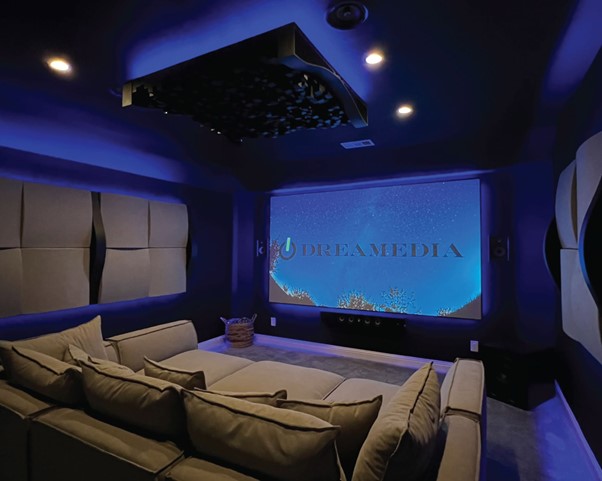
One of the biggest mistakes people make when designing a home theater or improving their media room is using somebody else’s room as their reference guide. Every room has different characteristics and will respond to acoustic treatment in different ways. Your goal should always be to tune your room, not someone else’s.
Small Media Rooms
If you have a small media room, you will almost always be battling reflections. Sound bounces back and forth between walls that are close together and becomes muddy. Standalone dialogue is harder to understand and surround effects lack precision. In small rooms, you can often get away with using only a few acoustic panels to tighten everything up.
Large Dedicated Home Theaters
Big rooms with lots of seating typically require a more even distribution of treatment. Instead of one clear culprit, reverberation and bass buildup can muddy up the sound just as much as reflections. The goal in rooms like these is often to balance out all the different elements. Good dialogue, crisp effects, and impactful music should all work together.
Rooms With Noticeable Bass Problems
If your bass response sounds boomy, uneven, or seems to hang around after the scene ends, it’s time to tackle low frequencies first. Bass is notorious for being the trickiest aspect of any room to treat. It tends to collect in corners and other pressure points, making it harder to isolate. Sometimes by just addressing the low end of your room you can fix a majority of your acoustic issues.
Design Focused Rooms
Just because your room is being used for home theater doesn’t mean it has to look like a studio. Everyone’s living room and multipurpose room is different. Acoustic panels can be used to help manage reflections, and also add texture, pattern and some style to any room.
Best Acoustic Panels for Home Theater Sound Treatment in 2026
Best Overall

If you’re approaching acoustic treatment with a blank slate, our easiest suggestion is this: The Wavewood Ultra Lite brings absorption and aesthetics together in a package that doesn’t immediately look like a recording studio. It works great at first reflection points, but also helps clean up dialogue, imaging, and surrounds without taking over the room.
Best Complete Treatment System
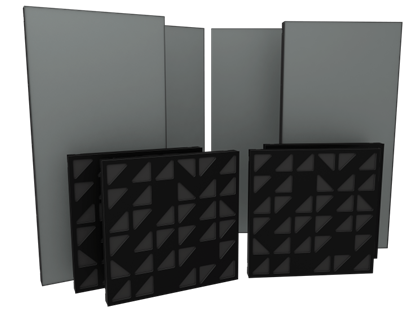
Some theaters aren’t solved with a few panels hung on the walls. If you need full coverage, the VicCinema VMT Kit brings multiple treatment types together in one coordinated system. Consider it one of the best options for truly dedicated theaters where every surface matters for what you hear.
Best Bass Trap
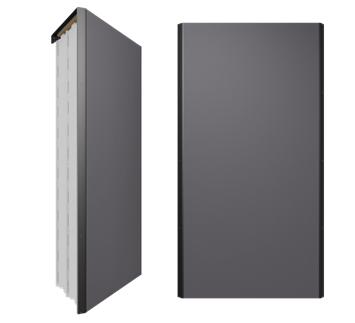
You don’t know how bad your bass response is until you treat a room. Whereas most acoustic panels are designed to manage mid and high frequencies, the Mega Bass Trap XXL is an actual bass trap built specifically for low-frequency buildup. If you find certain notes sound overly loud or your bass seems to linger, this is what you’ve been looking for. This unit offers broad absorption from 50Hz upwards, specifically targeting the low-frequency energy that tends to gather in room corners.
Best Adjustable Bass Solution
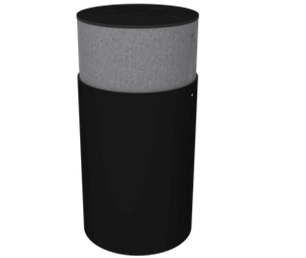
Every room has unique low frequency issues. The VariBass Ultra isn’t your typical acoustic panel, it’s a variable bass trap designed to dial-in on particular problem bass frequencies in a room. The adjustable nature of this product allows you to have much more control over the low-end in your room.
Best Diffusion Panel
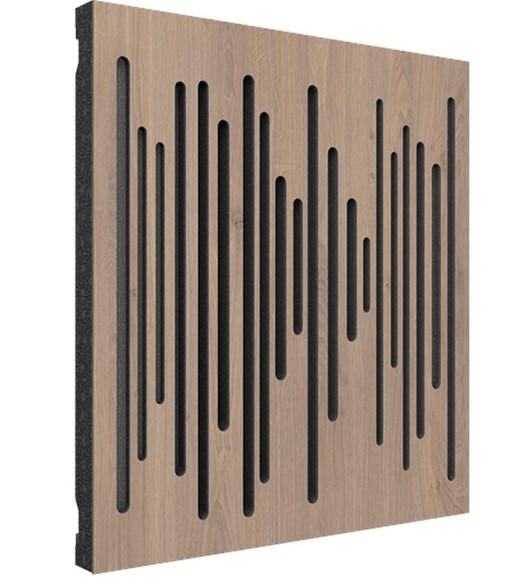
While absorption is great for cleaning up problem areas, too much of it can suck the life out of your music. The Wavewood Diffuser Ultra MKII uses innovative wood construction to scatter reflected sound. Deploy them where appropriate to help your room retain a sense of space and openness. This is especially helpful for large theaters and Dolby Atmos setups.
Best Decorative Acoustic Panel
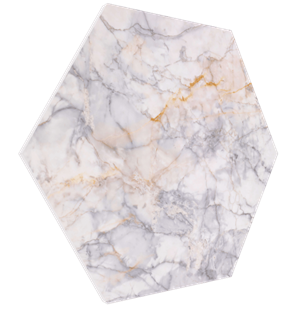
Some acoustic panels are purely functional. Others improve the look of the room just as much as the sound. The Vixagon VMT falls into that second category. With its geometric shape and range of colors, it’s ideal for home theaters and living rooms that double as media spaces.
Where to Put Acoustic Panels for Maximum Effectiveness?
Placement is king. More panels won’t fix your sound if they aren’t placed correctly. Strategic placement of only a few panels will go much further than throwing panels on every available surface until half your room is covered. Panels should be placed on surfaces that are causing the most acoustic issues first.
Side-Wall Reflection Points
The side walls should be treated first. Perform the old mirror trick: Sit in your primary listening position and have someone move a mirror along the wall. Anytime you can see a speaker in the mirror, you’ve found a first reflection point. Treat these first to clean up dialogue and imaging, as the reflected sound is no longer competing with the direct signal.
Rear Wall Treatment
The rear wall greatly affects how “large” your theater sounds. Absorption will minimize reverberations that can be distracting. Diffusion will scatter sound energy throughout the room, allowing your system to retain a sense of depth rather than feeling boxed in.
Ceiling Treatment
Ceiling treatment is often overlooked. Don’t make this error. The ceiling is often the largest untreated surface in any room. Installing ceiling panels will tame reflections that muddy out Dolby Atmos effects and help tighten up overhead localization.
Room Corners
Finally, bass tends to accumulate in room corners. These bass pressure zones can cause boomy and uneven explosions. Bass traps absorb excess low-end energy out of the corners, allowing for tighter, more controlled bass.
Conclusion
When something sounds wrong, it’s tempting to blame the speakers. Most of us do it every day. But nine times out of ten, the room is the culprit. Panels can kill reflections. Bass traps can clear up the low-end swamp that gathers in corners. Diffusers can make a room sound bigger and more natural. Fixing those problems isn’t sexy. But it’s why some theaters sound magical, and others suck.
Before you spend money on something else, take a look around your system. Proper acoustic treatment won’t make your speakers into something they’re not. It will allow you to hear what they were trying to sound like all along.
FAQ
Which is Better: Acoustic Panels or Acoustic Foam?
For most rooms, acoustic panels are far more effective than foam. While foam works well for absorbing high-frequency reflections, good acoustic panels absorb a broader range of frequencies. Plus, acoustic foam never looks as good on a wall as panels do.
Will Adding Panels Make Dialogues Sound Better?
In most cases, yes! A lot of times when watching movies, you may notice that during heavy action scenes, dialogue can get lost and become hard to understand. Adding acoustic panels helps reduce the reflected sound in your room, allowing voices to sound much cleaner.
How Many Panels Do I Need in My Home Theater?
You don’t need to cover every wall to see a major improvement in your room. In fact, adding a couple of panels in the wrong places will be far less effective than doing some research and placing them correctly. The first places you should add acoustic panels are the first-reflection points.
Where Are the Best Places to Add Acoustic Panels?
The best place to start adding panels is on your side walls at the first reflection points. This is where most rooms lose definition in dialogue and imaging. You can easily find these points by using the mirror trick.
Do Bass Traps Work in Small Rooms?
Yes! While larger rooms have bass issues, small rooms typically have the worst bass because low frequencies tend to bloom in corners. Bass traps help clean up these problem areas.