Description
Widescreen the Way It Was Meant to Be
If you’re running a serious 4K projector and a 2.40:1 screen, the Panamorph DCR-J1 is one of those upgrades that just makes sense. Instead of wasting pixels on black bars, this anamorphic lens lets you use the full imaging chip of your projector for widescreen films. The result feels bigger, brighter, and more cinematic the moment the movie starts.
When paired with compatible 16:9 or 17:9 projectors, the Panamorph DCR-J1 engages the projector’s anamorphic mode to unlock roughly 2.6 million additional pixels of active image area. You’re not stretching the picture. You’re expanding it properly. That means more resolution on screen and about a 38 percent brightness boost compared to standard zoom methods.
More Light. More Detail. No Compromise.
Here’s what that really means in your room. Bright scenes hit harder. HDR highlights carry real intensity. Fine details in landscapes and close-ups look sharper because every pixel is working for you. And since you’re not relying on digital zoom, you’re not wasting light output.
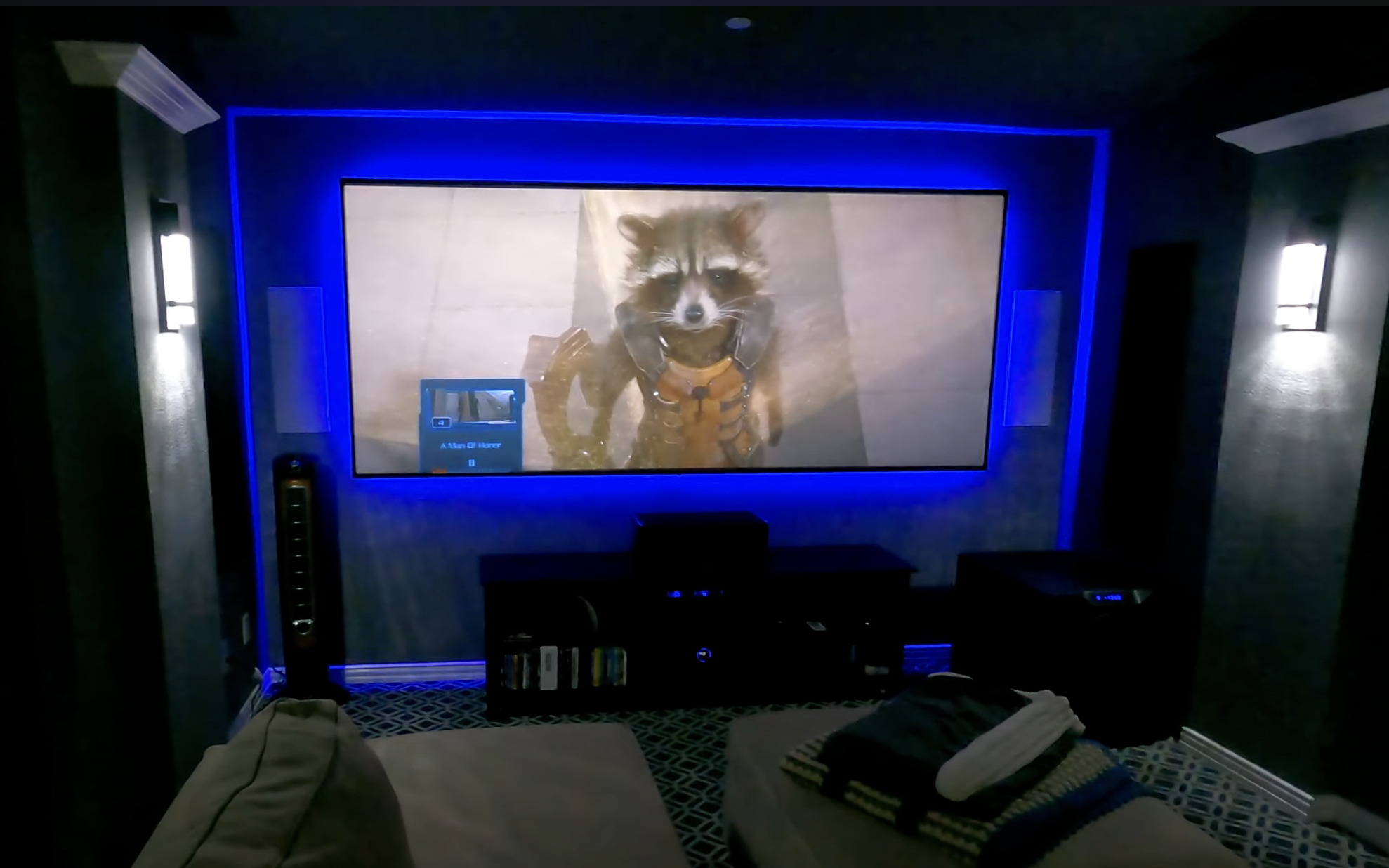
When we plan projection systems inside our home theater design tool, we account for lens performance and screen geometry from day one. That’s where the Panamorph DCR-J1 really shines. It restores films to their original 2.40:1 aspect ratio without distortion. No grey bars. No awkward cropping. Inside Dreamedia+, that full-width image isn’t an upgrade. It’s the standard.
Designed for Real-World Theaters
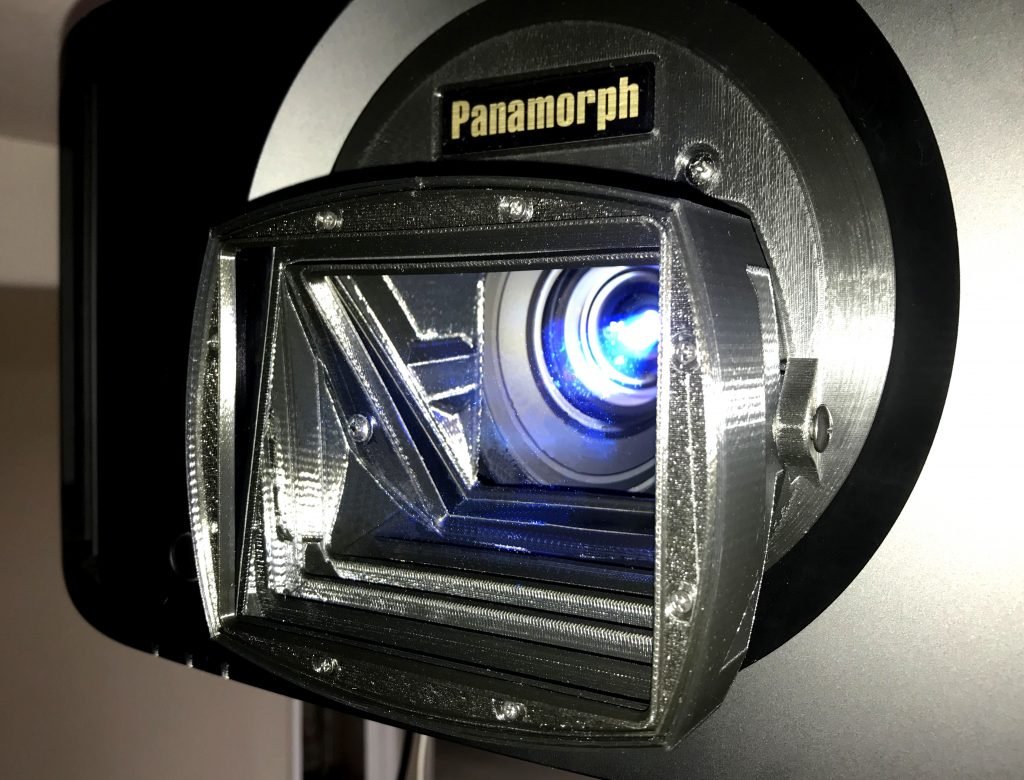
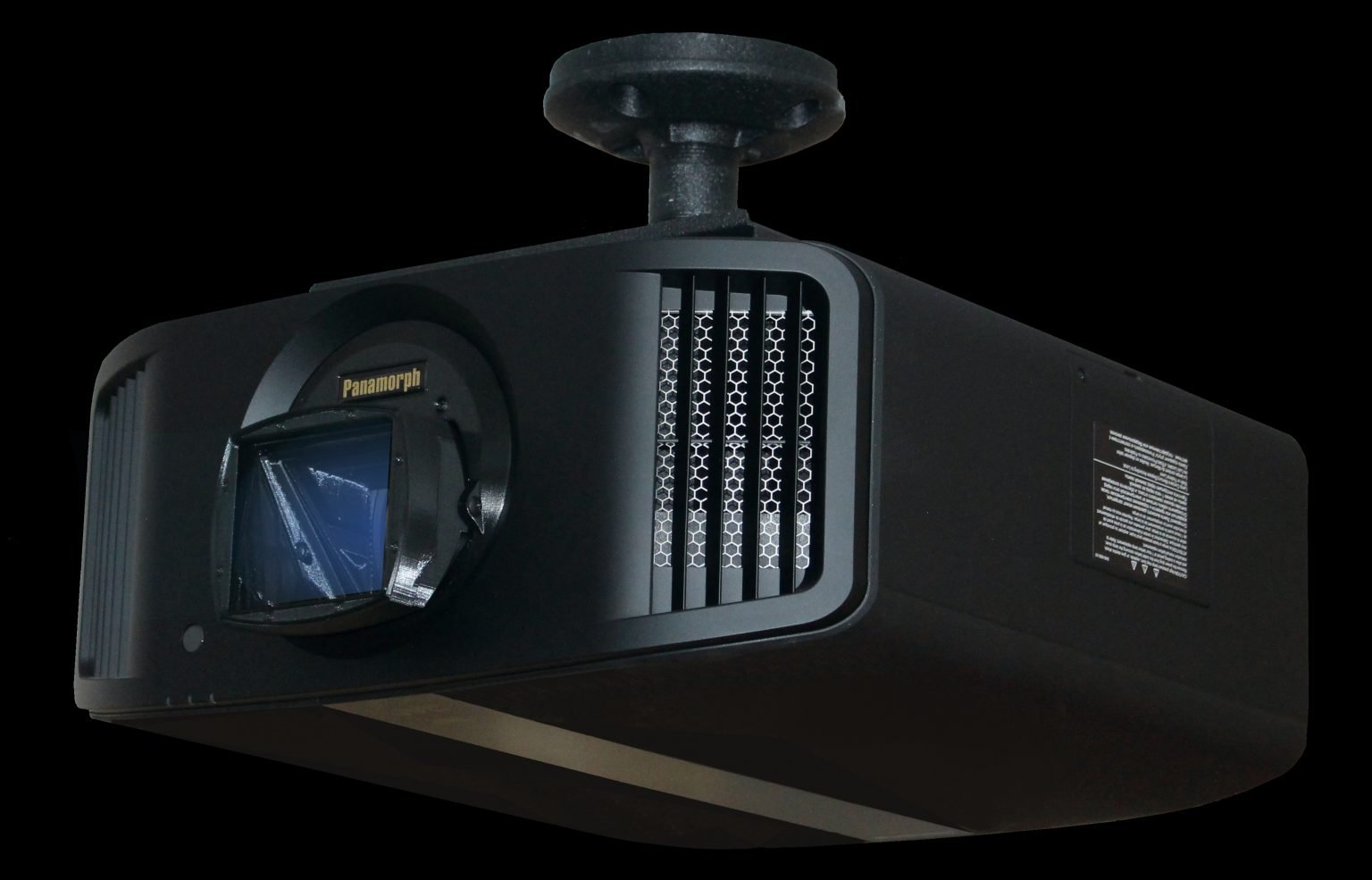
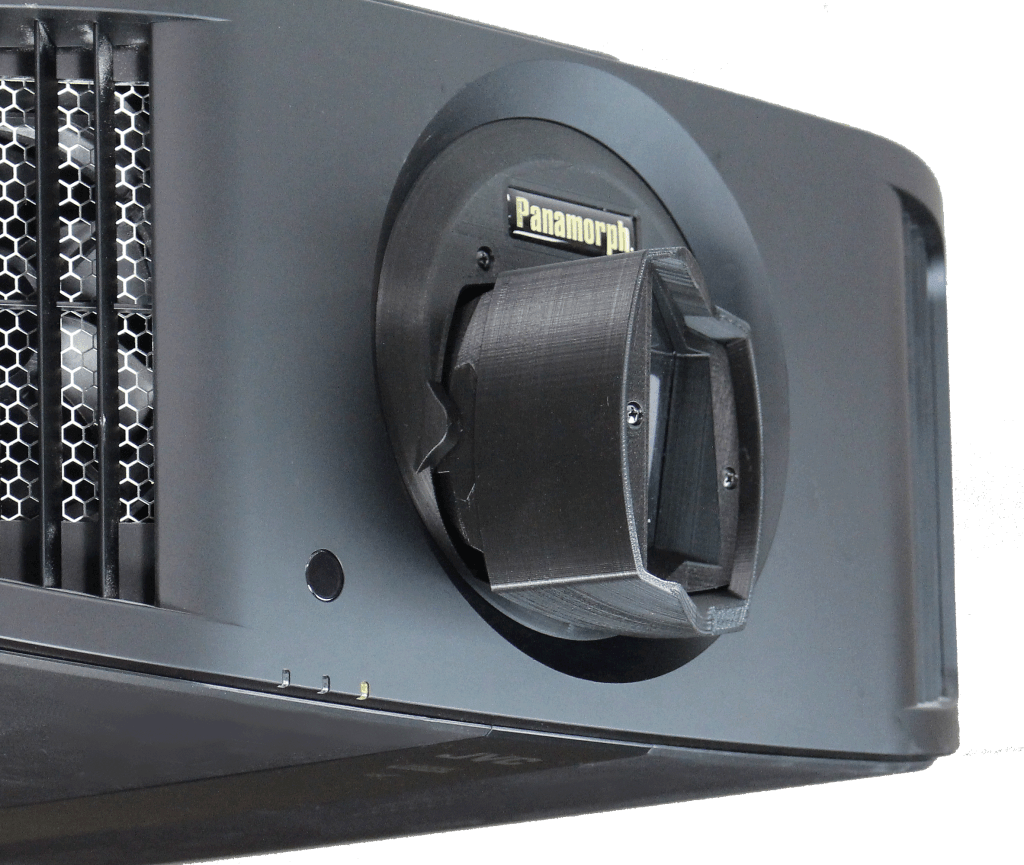
Installation is simpler than most people expect. The Panamorph DCR-J1 mounts directly to compatible projectors, so you’re not dealing with complicated brackets or bulky add-ons. At just 6.3 inches tall and wide and about four pounds, it feels solid without being intrusive.
Once installed, it blends into a dedicated theater setup naturally. You get the performance upgrade without turning your projector area into a science project.
Key Features
Unlocks full pixel use for 2.40:1 screens
Adds approximately 2.6 million active pixels
Up to 38 percent brightness increase
Designed for compatible 4K 16:9 and 17:9 projectors
Restores true cinematic aspect ratio
Introduction
The Panamorph DCR-J1 is an external anamorphic lens designed specifically for 4K projectors. In this review, we will delve into its features, functionality, pros, and cons to help you determine if it is the right choice for your home theater setup.
Features and Functionality
The DCR-J1 is compatible with select 16:9 and 17:9 projectors, allowing you to expand your screen width and create a more immersive viewing experience. By engaging the internal anamorphic modes of 4K projectors, it adds 2.6 million more pixels of clarity, resulting in improved image detail and enhanced brightness. The lens optically compresses upconverted movies, restoring the original 2.4:1 aspect ratio.
The performance enhancement offered by the DCR-J1 is impressive, surpassing what is typically seen in commercial theaters and flat-panel TVs. It elevates image clarity and detail, making your viewing experience more engaging and immersive. Moreover, the lens boosts the brightness of the projected image, breathing life into movies and streaming content.
However, it is important to note that the DCR-J1 requires external attachment and additional setup compared to built-in anamorphic lenses. You will need to calibrate the lens properly to optimize its performance. Additionally, there is the potential for stretching during the restoration of the original aspect ratio of upconverted movies.
The compatibility of the DCR-J1 is limited to specific projector models, so it is crucial to ensure compatibility before making a purchase. Furthermore, the lens is optimized for 2.4:1 screens, which may limit its effectiveness on screens with different aspect ratios. On the bright side, the installation process is relatively easy, allowing you to quickly set up and start enjoying the benefits of the lens.
Pros
The Panamorph DCR-J1 offers several compelling advantages for home theater enthusiasts. First and foremost, it significantly improves clarity and enhances image detail. The additional pixels it adds through its anamorphic modes bring out the finer nuances in your favorite movies and TV shows, creating a more immersive viewing experience.
Furthermore, the DCR-J1 enhances the brightness of the projected image, resulting in a vibrant and impactful display. This is particularly beneficial for those who prefer a more dynamic visual experience. The lens is also designed to work seamlessly with 4K projectors that have anamorphic upconversion modes, ensuring compatibility and optimal performance.
The ability to enable a larger cinema-format image in smaller theater spaces is another advantage of the DCR-J1. It allows you to enjoy the immersive widescreen experience traditionally reserved for larger setups. Additionally, the lens supports multiple projector modes, offering versatile display options to suit your preferences.
The compact design of the DCR-J1 is worth noting as well. Despite its smaller form factor, it delivers the full performance of larger DCR lenses. This makes it an attractive option for those who want top-notch home cinema performance without sacrificing space or aesthetics. Its reputation as a widely recognized and recommended lens in high-end home theaters adds further credibility to its capabilities.
Cons
While the Panamorph DCR-J1 boasts impressive features, it is not without its limitations. One of the drawbacks is its external attachment requirement, which means additional setup and calibration compared to projectors with built-in anamorphic lenses. This extra effort may deter some users who prefer a more hassle-free installation process.
Another potential downside is the stretching that may occur during the restoration of the original aspect ratio of upconverted movies. While the lens aims to recreate the cinematic experience, this stretching may not always achieve the desired result. It is important to consider how this may affect your viewing experience before investing in the DCR-J1.
Availability and pricing may also vary, so it is advisable to check with authorized retailers or distributors for accurate information. Additionally, the compatibility of the lens may be limited in certain scenarios, such as extreme vertical shift setups. This may result in reduced compatibility or a decrease in the maximum image size.
In terms of image quality, the DCR-J1 may experience a slight loss of sharpness and compromised geometry compared to other anamorphic lenses. While this may not be noticeable to all viewers, it is worth considering if image precision is a top priority for you.
Conclusion
In conclusion, the Panamorph DCR-J1 is a powerful tool for enhancing your home theater experience. Its ability to improve clarity, enhance brightness, and deliver an immersive widescreen image is impressive. It offers compatibility with 4K projectors and is widely recognized and recommended in high-end home theaters.
However, it is important to consider the external attachment requirement, potential stretching, and compatibility limitations before making a purchase. Additionally, the lens may require additional investment in a compatible projector and screen setup, warranting careful consideration of your budget and requirements.
Overall, the Panamorph DCR-J1 offers the pinnacle of home cinema performance for those who prioritize image quality, brightness, and immersion. While it may not be the ideal choice for all home theater enthusiasts, it certainly has the potential to elevate your viewing experience to new heights.
























Reviews
There are no reviews yet.