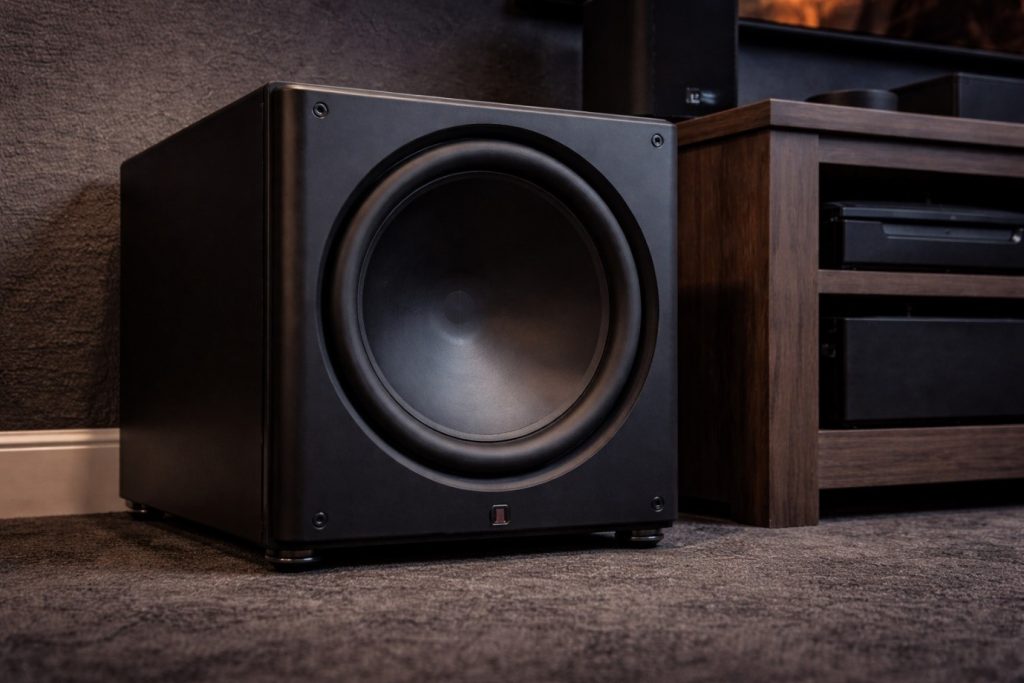


Here’s something we’re seeing more in 2026. Clients are building better systems than ever. Bigger screens, cleaner installs, properly planned 5.2.4 and 7.2.4 layouts. Yet even with all that progress, some still feel like the system isn’t delivering the scale they expected. Most of the time, the issue comes down to the subwoofer.
Bass today is about more than output. Rooms are larger and more open. Seating spans multiple rows. Some spaces are fully treated theaters. Others are bright, shared living areas. Headroom, control, decay, and seat-to-seat consistency now matter just as much as raw volume.
We’ve built systems in compact media rooms, open-concept homes, and dedicated theaters. The pattern is clear. The best subwoofer depends on the room, not just the brand. That’s why this guide is organized by real-world categories, so you can match the sub to the space correctly.
High-Output Dedicated Theater Subwoofers
Once a room pushes past about 4,000 cubic feet, the way you choose a subwoofer has to change. You are no longer choosing a subwoofer for impact. You are choosing one for stability under load.
Large rooms do not just need output. They need output that holds. When low frequencies sustain for several seconds, weaker subs start to thin out. The level dips, distortion creeps in, and the whole system shifts slightly in tone. In a smaller room, you might get away with it. In a dedicated theatre with multiple rows, you will hear and feel the difference.
These are the models we rely on when the goal is stable, high-level playback across the entire room, not just impressive bursts from the front row.
JTR Captivator RS2 Subwoofer
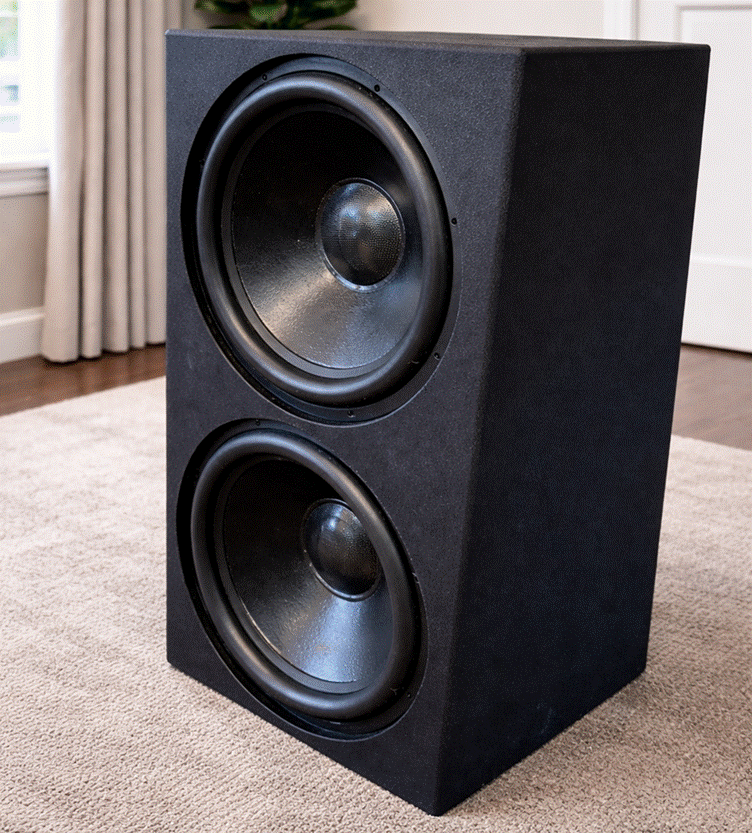
Specs
| Spec | Detail |
| Driver Size | Dual 18-inch |
| Subwoofer Type | Sealed |
| Amplifier Power | 4,000W RMS |
| Design Focus | High displacement and output headroom |
Why We Chose It
The JTR Captivator RS2 Subwoofer is selected when the primary goal is output capacity without compression.
In rooms between 5,000 and 7,000 cubic feet, the RS2 maintains level consistency as playback rises. The frequency balance does not shift upward. It does not lose weight during sustained passages. That stability is what separates it from smaller dual-15 designs.
Compared to the Perlisten Audio D215s Subwoofer, the RS2 provides greater displacement and overall headroom. Compared to the RBH Sound UNRIVALED 21-SF/R Ultimate Subwoofer System, it achieves similar scale using dual 18-inch drivers instead of a single 21-inch platform.
In most dedicated theaters we install these in pairs. In very large rooms with multiple seating rows, four units provide significantly smoother coverage than relying on a single oversized subwoofer.
Pros and Cons
| Pros | Cons |
| High output with strong headroom | Large cabinet size |
| Stable response at elevated playback levels | Premium cost |
| Effective in dual or quad deployments | Requires adequate floor space |
RBH Sound UNRIVALED 21-SF/R Ultimate Subwoofer System
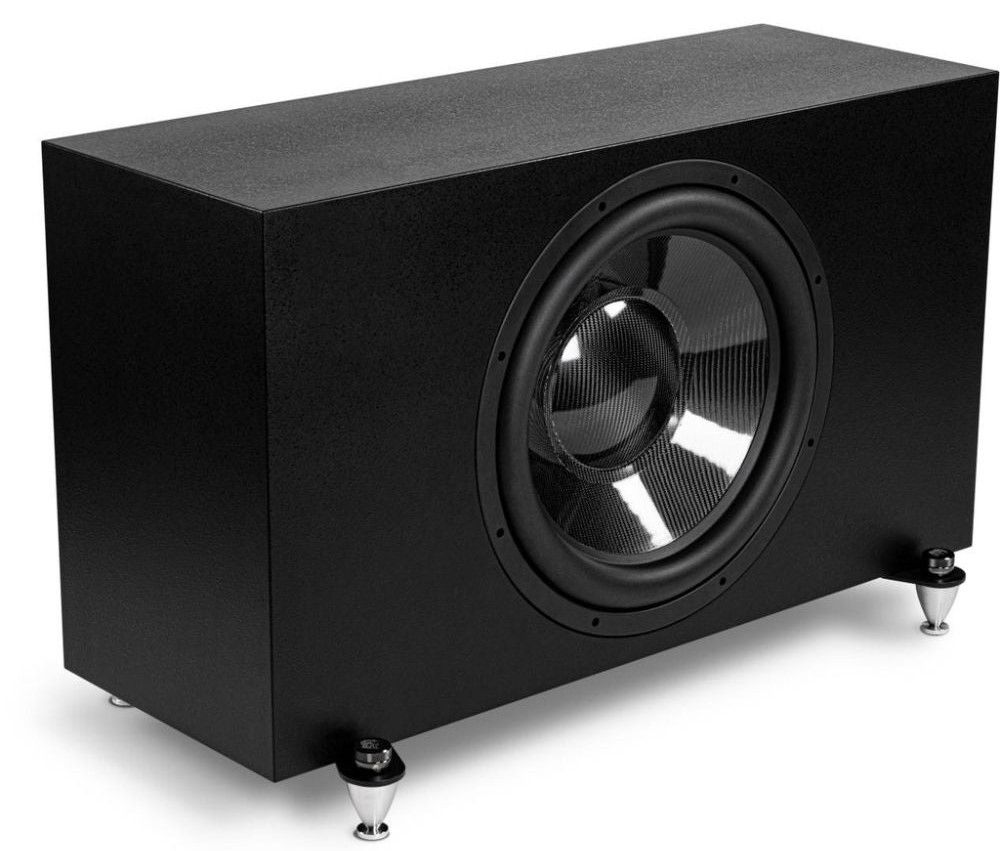
Specs
| Spec | Detail |
| Driver Size | 21-inch carbon fiber |
| Subwoofer Type | Sealed |
| Linear Travel | 38mm one-way |
| Design Focus | Low distortion with extreme displacement |
| Construction | Hand-built in the Pacific Northwest |
Why We Chose It
The RBH Sound UNRIVALED 21-SF/R Ultimate Subwoofer System is recommended when maximum air movement is required but long-term composure matters just as much as peak level.
The 21-inch driver with significant linear travel allows the system to maintain output in large volumes of air without audible strain. In rooms above 4,500 cubic feet, the response remains consistent even during extended low-frequency sequences.
Compared to the JTR Captivator RS2 Subwoofer, the RBH achieves scale through single-driver displacement rather than dual-driver symmetry. Compared to the Perlisten Audio D215s Subwoofer, it offers greater physical output margin in very large rooms.
We typically recommend at least two units in dedicated theaters. In multi-row rooms, four provide improved uniformity and reduced seat-to-seat variation.
Pros and Cons
| Pros | Cons |
| Significant displacement capability | Very large and heavy |
| Maintains response stability under load | Requires planning for placement |
| Built for large dedicated theaters | Premium investment level |
Perlisten Audio D215s Subwoofer
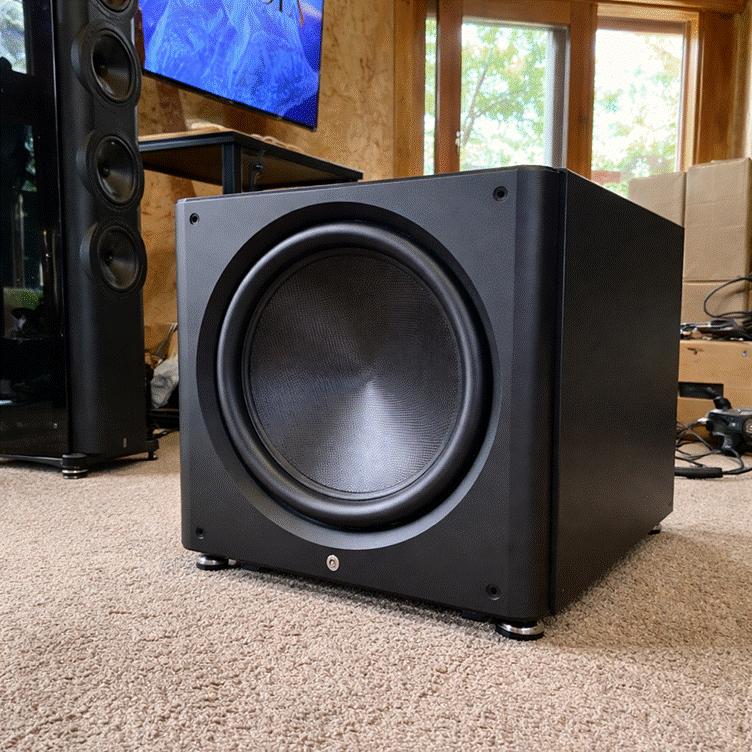
Specs
| Spec | Detail |
| Driver Size | Dual 15-inch |
| Subwoofer Type | Sealed |
| Amplifier Power | 2.0kW |
| Cabinet Design | Dual-opposed, heavily braced enclosure |
| Connectivity | RCA / XLR |
| Certification | THX Dominus |
Why We Chose It
The Perlisten Audio D215s Subwoofer is selected when reference playback accuracy is the priority in large but controlled rooms.
In treated theaters between roughly 4,000 and 6,000 cubic feet, the D215s maintains low distortion and consistent decay characteristics. The output does not thicken in the upper bass as levels increase. That makes integration with highly detailed front speakers more predictable.
Compared to the JTR Captivator RS2 Subwoofer, the D215s provides slightly less maximum displacement but greater tonal discipline in calibrated environments. Compared to the RBH Sound UNRIVALED 21-SF/R Ultimate Subwoofer System, it favors precision over raw air movement.
We most often deploy these in dual configurations. Quad layouts are common in multi-row theaters where even coverage is critical.
Pros and Cons
| Pros | Cons |
| Controlled response at reference levels | Premium pricing |
| Strong integration with high-resolution systems | Large cabinet footprint |
| Excellent multi-seat consistency in arrays | Less maximum displacement than 18” or 21” platforms |
Balanced Performance Theater Subwoofers
Most dedicated media rooms land in this range, even if people don’t realise it. A typical basement theater, bonus room conversion, or enclosed living space usually sits somewhere between 2,000 and 3,500 cubic feet. That’s large enough to expose weaknesses in entry-level subwoofers, but not so large that you need extreme displacement to fill the space.
This is where balance matters. Too small and the system thins out when you turn it up. Too large and you’re paying for headroom you’ll never use. What you actually need is clean extension, steady output as volume rises, and even bass across multiple seats.
The models below are the ones we install again and again in this range because they deliver that balance without overcomplicating the room.
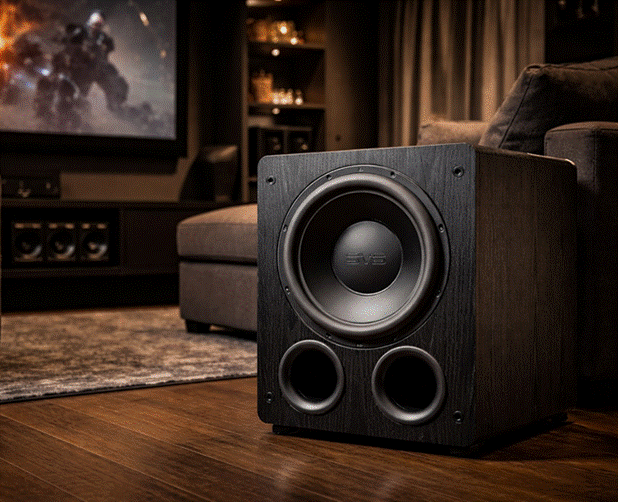
SVS PB-3000 Subwoofer
Specs
| Spec | Detail |
| Driver | 13-inch high-excursion |
| Type | Ported |
| Amplifier | 800W RMS / 2500W+ peak |
| Frequency Response | 16–260Hz ±3dB |
| DSP | 3-band PEQ, app control |
Why We Use It
The SVS PB-3000 Subwoofer is for clients who want strong extension without stepping into oversized cabinets.
In a 2,200–3,000 cubic foot room, it reaches low enough to give weight to demanding content while staying composed. It doesn’t thin out as volume rises, and it doesn’t blur upper bass the way cheaper ported designs can. That’s important. This size room will expose sloppy tuning.
Ported design gives it more low-end efficiency than a sealed alternative at this price. Compared to the Perlisten R15s Subwoofer, it trades some tonal precision for deeper output per dollar. We almost always recommend dual units in this range. Two PB-3000s will outperform a single larger sub in seat-to-seat consistency.
Pros and Cons
| Pros | Cons |
| Strong extension for its size | Large footprint |
| Excellent value-to-output ratio | Not as refined as sealed alternatives |
| App-based DSP is simple and effective | Can dominate smaller rooms if misused |
Perlisten R15s Subwoofer
Specs
| Spec | Detail |
| Driver | 15-inch |
| Type | Sealed |
| Amplifier | High-output DSP-controlled |
| Certification | THX performance class |
Why We Use It
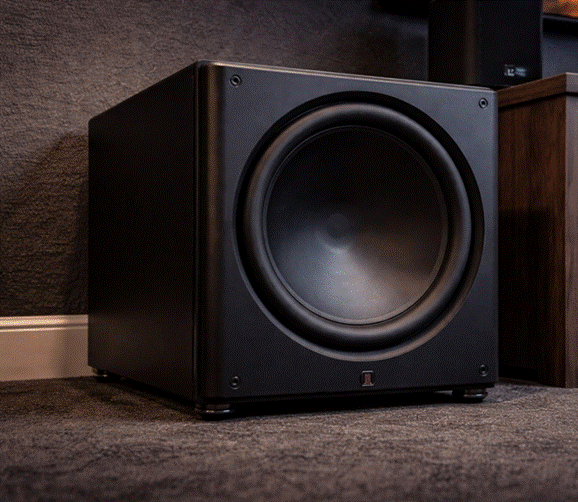
The Perlisten R15s Subwoofer is for clients who care about control as much as output.
In a 2,000–3,200 cubic foot treated room, it delivers extremely disciplined bass. Sealed alignment means no port resonance, no tuning artifacts. Decay is predictable. Integration with high-resolution front speakers is easier.
Compared to the SVS PB-3000 Subwoofer, the R15s gives up some low-end efficiency but gains tonal control. This is our go-to when the room is calibrated carefully and the client values accuracy. Dual deployment is ideal. Quad is rarely required in this size space unless seating coverage is complex.
Pros and Cons
| Pros | Cons |
| Excellent control and integration | Higher cost than PB-3000 |
| Strong sealed transient response | Less deep extension than large ported models |
| THX-grade performance discipline | Benefits most from dual deployment |
Sealed Precision / Music-Focused Subwoofers
Not every room is a blackout cinema. Most systems live where people talk, cook, and leave the lights on. In those spaces, bass has to behave. It cannot swell or feel oversized for the room. That is where sealed subwoofers earn their place.
A sealed design does not chase maximum output. It focuses on control. That matters more than people think, especially when you are pairing the sub with detailed towers or slim on-wall speakers.
If you care about how your system sounds at moderate volume just as much as at high volume, this category makes sense. These are the subwoofers we recommend when balance, timing, and integration matter more than raw scale.
JTR KALLOS 12Sub
Specs
| Spec | Detail |
| Driver Size | 12-inch high-excursion |
| Subwoofer Type | Sealed |
| Amplifier Power | 1,500W RMS (DSP controlled) |
| Design Focus | Compact precision and transient speed |
Why We Chose It
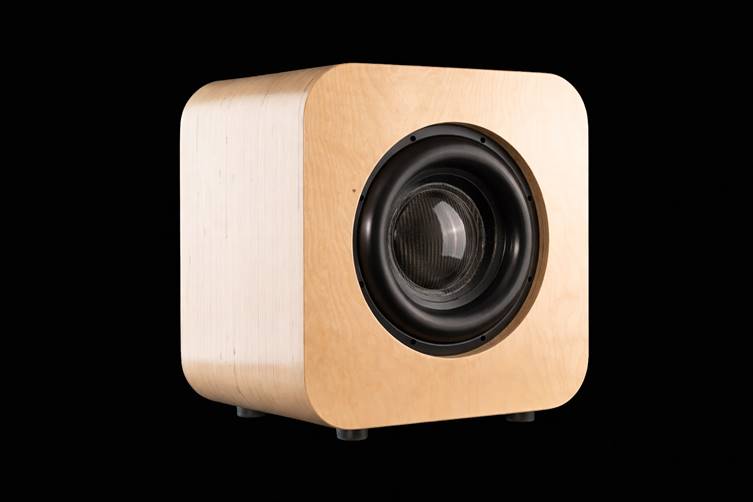
The JTR KALLOS 12Sub is for listeners who notice timing. In a 2,000 to 3,000 cubic foot room, it feels quick. Notes do not hang around longer than they should. Bass lines stay separate instead of blending together.
Compared to the SVS SB-4000 Subwoofer, the KALLOS feels tighter and more immediate. In music-focused systems where you sit closer to the speakers, that energy works in its favor.
Pros and Cons
| Pros | Cons |
| Fast transient response | Not intended for very large rooms |
| Compact cabinet | Fewer tuning features than some competitors |
| Strong integration with towers | Premium price for a 12-inch platform |
SVS SB-4000 Subwoofer
Specs
| Spec | Detail |
| Driver Size | 13.5-inch |
| Subwoofer Type | Sealed |
| Amplifier Power | 1,200W RMS |
| DSP | App-controlled tuning |
Why We Chose It
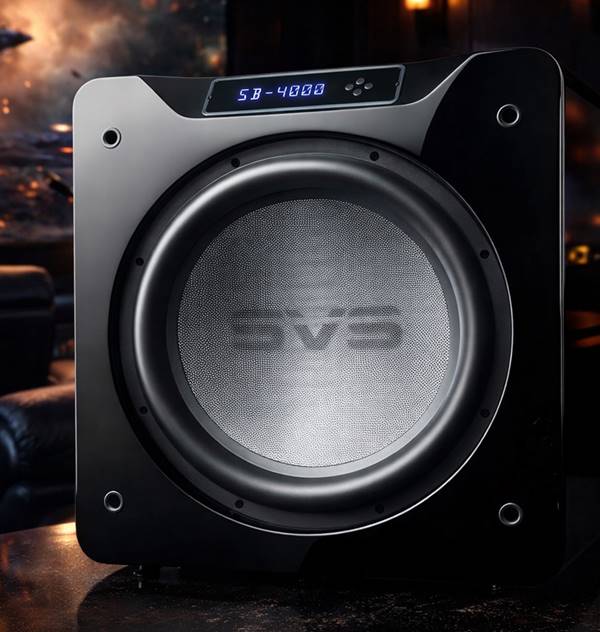
The SVS SB-4000 Subwoofer sits right in the middle. It offers more depth than the KALLOS, but it keeps the control you expect from sealed. In mixed-use rooms around 2,500 to 3,500 cubic feet, it gives the system weight without making it feel heavy.
The built-in DSP app is practical. You can adjust crossover, phase, and EQ without guessing. Compared to the JTR KALLOS 12Sub, it reaches a bit deeper. For many living rooms, it is the safe but capable choice.
Pros and Cons
| Pros | Cons |
| Good extension for a sealed design | Larger footprint than KALLOS |
| Strong DSP control | Not as clinical as Perlisten |
| Balanced music and film performance | Higher cost tier |
In-Wall Subwoofer Systems
Not every client wants a large cabinet sitting in the room. In design-driven spaces, the goal is clean sightlines. Flush speakers. Nothing bulky on the floor. That is where in-wall subwoofers make sense. These are the in-wall systems we use when aesthetics matter just as much as output.
SVS 3000 In-Wall Subwoofer System
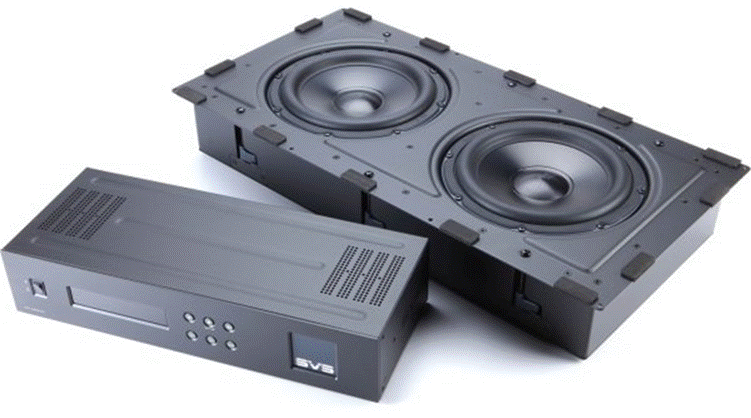
Specs
| Spec | Detail |
| Driver | Dual 9-inch high-excursion |
| Enclosure | Sealed in-wall cabinet |
| Amplifier | External 800W RMS Sledge amplifier |
| Control | DSP with app control |
| Installation | Requires dedicated back box |
Why We Chose It
The SVS 3000 In-Wall Subwoofer System works when you want real output but zero visual footprint. The dual 9-inch drivers are mounted in a sealed back box, which means performance is predictable. You are not relying on random stud cavities.
The amplifier lives outside the wall, usually in a rack. That matters. Heat stays out of the wall, and you get full DSP control through the app. In a 2,000 to 3,500 cubic foot media room, dual units provide clean, even coverage without drawing attention to themselves.
Pros and Cons
| Pros | Cons |
| Fully hidden installation | Requires pre-construction planning |
| External DSP amplifier | Less maximum output than large freestanding subs |
| Predictable sealed performance | Not ideal for very large theaters |
MartinLogan Dynamo IW-S
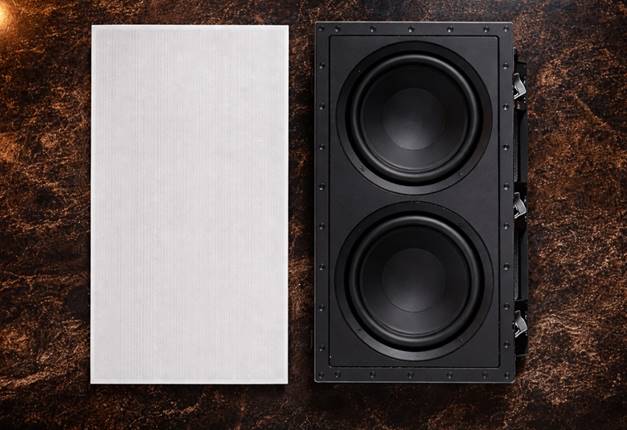
Specs
| Spec | Detail |
| Driver | Dual 8-inch |
| Enclosure | Sealed in-wall |
| Amplifier | External rack amplifier |
| Design Focus | Slim profile architectural bass |
Why We Chose It
The MartinLogan Dynamo IW-S is about subtle integration. It fits projects where wall depth is limited and output needs are moderate. Think open living spaces. Not blacked-out theaters.
The dual 8-inch sealed configuration keeps bass tight and controlled. In 1,800 to 3,000 cubic foot rooms, especially mixed-use spaces, it blends cleanly with in-wall or on-wall speakers. Because the amplifier sits remotely, wiring stays organised in a rack. That keeps the wall installation simple and serviceable. Compared to freestanding subs, output ceiling is lower. But the benefit is total visual consistency.
Pros and Cons
| Pros | Cons |
| Slim architectural design | Limited output for large rooms |
| Clean rack-mounted amplification | Not suited for reference-level theaters |
| Good integration in living spaces | Requires wall planning |
On-Wall & Low-Profile Architectural Subwoofers
Not every project allows for a big cabinet sitting on the floor. Sometimes the room is already finished. Sometimes the client cares more about clean walls than visible hardware. That is where on-wall and low-profile subwoofers come in.
These models work best in media rooms, open living areas, and design-forward builds where floor space is limited but performance still matters.
RBH 12-SW On-Wall Subwoofer
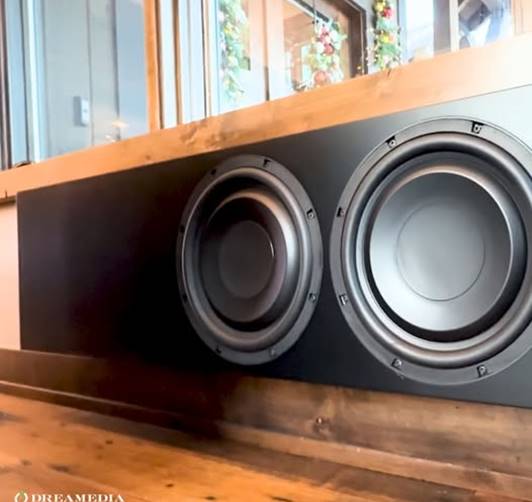
Specs
| Spec | Detail |
| Driver Size | 12-inch |
| Subwoofer Type | On-wall / Low-profile |
| Design Focus | Architectural flexibility |
| Installation | Surface-mounted to wall |
Why We Chose It
The RBH 12-SW On-Wall Subwoofer is for rooms where you cannot give up floor space but still want real low-end support. It mounts directly to the wall, which makes it ideal for retrofit installs where cutting into framing is not an option.
For what it is, the output is impressive. But let’s be clear. This is not the sub you choose to shake a 5,000 cubic foot dedicated theatre. In a 2,000 to 3,000 cubic foot media room, though, it does exactly what it should. It fills in the lowest notes so the system sounds complete, not thin.
Installation is straightforward, but it cannot be casual. It needs to be anchored properly into studs, and you have to think about wall vibration before drywall goes up. When that part is handled right, it blends in both visually and sonically. You don’t look at it. You don’t think about it. Just notice the system feels fuller and more grounded.
Pros and Cons
| Pros | Cons |
| Slim, wall-mounted design | Limited compared to dual-driver models |
| Retrofit-friendly | Not for very large rooms |
| Clean aesthetic integration | Requires solid wall structure |
Focal 1000 IWSUB UTOPIA
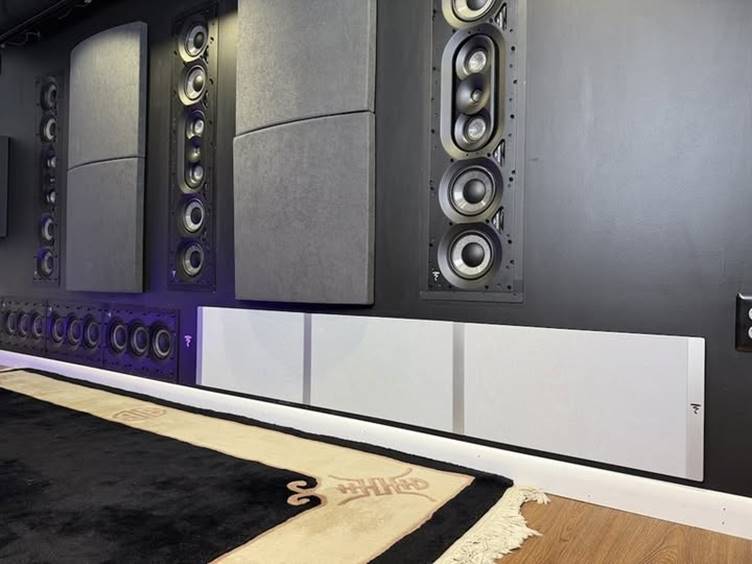
Specs
| Spec | Detail |
| Driver | 3 × 6.5-inch (16.5 cm) “W” cone subwoofers |
| Subwoofer Type | In-wall architectural |
| Design Focus | High-end concealed performance |
| Installation | Requires in-wall cavity and amplifier |
Why We Chose It
The Focal 1000 IWSUB UTOPIA is for projects where the room design comes first. That said, this is not a casual install. It lives inside the wall and runs off a dedicated external amplifier, so it has to be planned before drywall goes up. Stud depth, bracing, and internal air space all affect how it performs. Get those right, and the sub responds with tight, controlled bass that feels intentional, not forced.
Compared to the RBH 12-SW On-Wall Subwoofer, it offers more output potential and a cleaner final look, but it requires more coordination. This is a construction-phase choice. When it’s executed properly, you end up with serious low-end performance and a room that still looks untouched.
Pros and Cons
| Pros | Cons |
| Completely hidden installation | Requires pre-construction planning |
| High-end architectural solution | Needs external amplification |
| Strong output for concealed design | Dependent on proper wall build |
Compact & Lifestyle Subwoofers
Small rooms change the goal. You are not trying to energise 5,000 cubic feet. You are trying to add weight without overwhelming the space.
In open-concept living rooms, apartments, or media spaces under 2,000 cubic feet, placement flexibility matters more than raw output. These subs are built to tuck beside a console, disappear near a sofa, and still give you real low-end support. The key is realistic expectations. You want balance, not brute force.
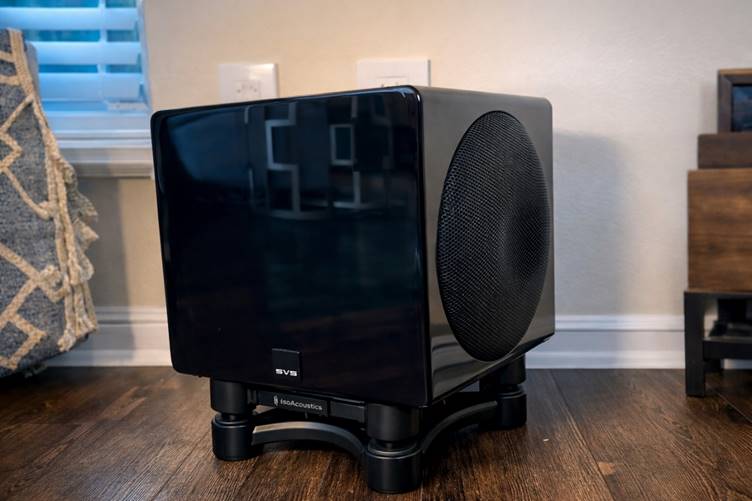
SVS 3000 Micro
Specs
| Spec | Detail |
| Driver Configuration | Dual 8-inch |
| Subwoofer Type | Sealed |
| Amplifier Power | 800W RMS |
| DSP Control | App-based control |
| Design Focus | Ultra-compact high-density output |
Why We Chose It
The SVS 3000 Micro exists for rooms where space is tight but standards are not. Dual opposed 8-inch drivers cancel cabinet vibration, which lets it stay composed even when placed against furniture. In a 1,200 to 1,800 cubic foot living room, it adds real depth without dominating the floor plan.
Compared to the Cambridge Audio MINX X301 Subwoofer, it offers more control and more tuning flexibility through the app. This is for someone who wants serious bass from a cabinet that does not look serious.
Pros and Cons
| Pros | Cons |
| Extremely compact footprint | Limited deep extension vs larger subs |
| Dual-driver vibration control | Not built for high-volume cinema rooms |
| Full DSP app control | Premium price for size |
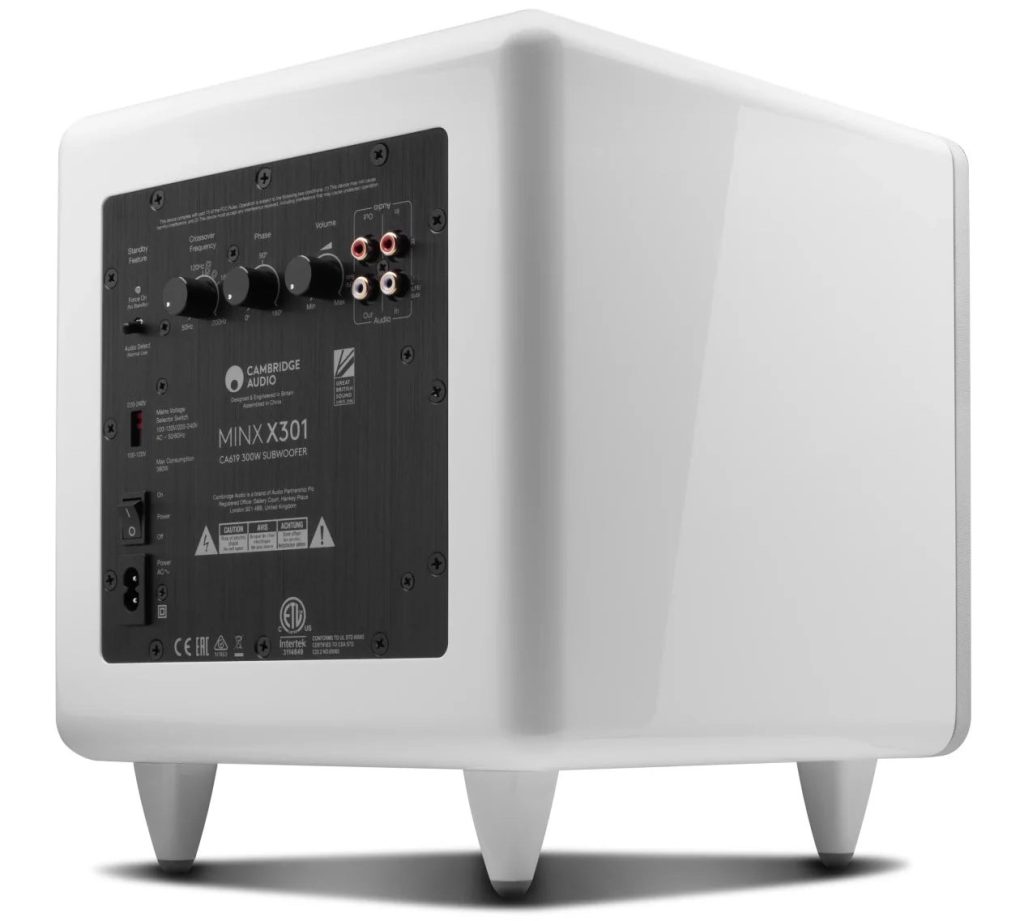
Cambridge Audio MINX X301 Subwoofer
Specs
| Spec | Detail |
| Driver Size | 8-inch |
| Subwoofer Type | Sealed |
| Amplifier Power | 300W |
| Design Focus | Compact lifestyle integration |
Why We Chose It
The Cambridge Audio MINX X301 Subwoofer is built for smaller, everyday spaces. Think flats, bedrooms, or a lounge where the TV sits on a slim stand and there isn’t room for a big black box in the corner. In rooms under about 1,500 cubic feet, it fills in the missing low notes that small soundbars or compact bookshelf speakers simply cannot produce.
This is not a sub you buy to shake the sofa. It is there to add weight to voices, depth to music, and a bit of impact to films without dominating the room. Compared to the SVS 3000 Micro Subwoofer, it offers fewer tuning options and less overall output. But it is easier to place, easier to live with, and more discreet in shared spaces.
Pros and Cons
| Pros | Cons |
| Small footprint | Limited low-frequency extension |
| Easy placement | Minimal advanced tuning |
| Clean, lifestyle-friendly design | Not suited for cinema-level playback |
Outdoor & Landscape Subwoofers
When bass moves outside, the rules change. There are no walls to trap energy. No corners to boost output. Wind, distance, and open air all work against you. Outdoor systems need scale and placement strategy. Sometimes that means burial in soil. Other times it means hiding inside hardscape or landscaping. Either way, distributed bass matters more than raw output from one box.
These are the models we use when a patio, pool, or full backyard system needs low end that carries without sounding forced.
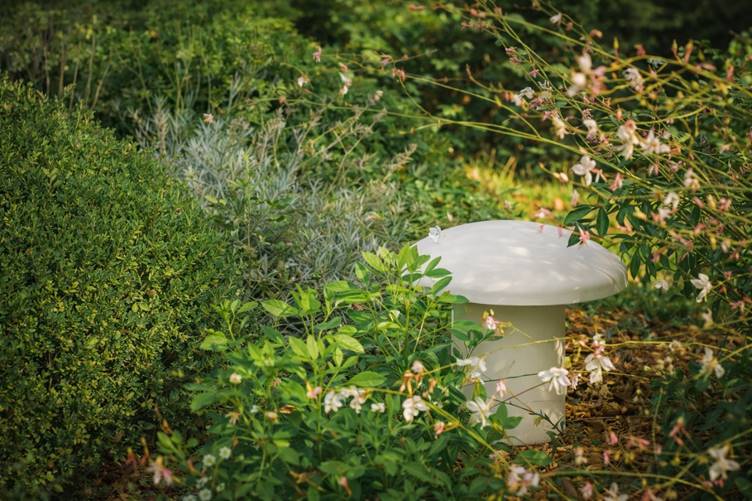
Focal OD Sub 12
Specs
| Spec | Detail |
| Driver Size | 11 3/4 inches (30cm) |
| Design | Outdoor-rated enclosure |
| Placement | Surface / landscape integration |
| Application | Patio and open-air systems |
Why We Chose It
The Focal OD Sub 12 works when you want clean bass around seating areas without digging trenches across the yard. It mounts discreetly along walls or landscape edges, which keeps installation simpler than in-ground designs.
Output is focused and controlled rather than overwhelming. It pairs well with Focal outdoor satellites where clarity matters as much as weight. Compared to fully buried systems, it is easier to service and reposition, but it will not pressurize very large lawns on its own.
Pros and Cons
| Pros | Cons |
| Cleaner installation than burial | Not for very large open yards |
| Good tonal match with Focal outdoor speakers | Requires weather-safe mounting |
| Balanced output for patios | Less output than in-ground designs |
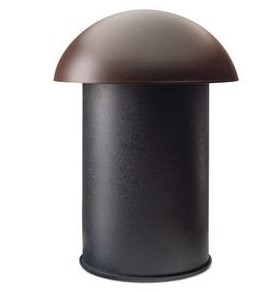
MartinLogan Outdoor Foundation Sub
Specs
| Spec | Detail |
| Type | In-ground outdoor subwoofer |
| Driver Size | 8-inch high-excursion |
| Weather Rating | IP58 |
| Finish | Dark Satin Brown canopy |
| Design | Landscape / partially buried |
| Application | Distributed outdoor audio |
| Build | Weather-resistant enclosure |
Why We Chose It
The MartinLogan Outdoor Foundation Sub is built for distributed systems. Instead of one loud source, it spreads bass evenly across outdoor seating zones.
It does take planning. You need proper trenching for cable, drainage around the enclosure, and an amplifier placed in a rack or weather-protected space. When installed correctly, it blends into the landscape and supports multiple satellite speakers without drawing attention to itself.
Compared to the Focal OD Sub 12, this model scales better for larger properties. It integrates best when paired with multiple satellite speakers rather than standalone patio setups.
Pros and Cons
| Pros | Cons |
| Even coverage across large areas | Requires more complex install |
| Designed for distributed systems | Needs external amplification |
| Blends visually into landscaping | Higher labour cost |
Proficient Signature In-Ground Subwoofer
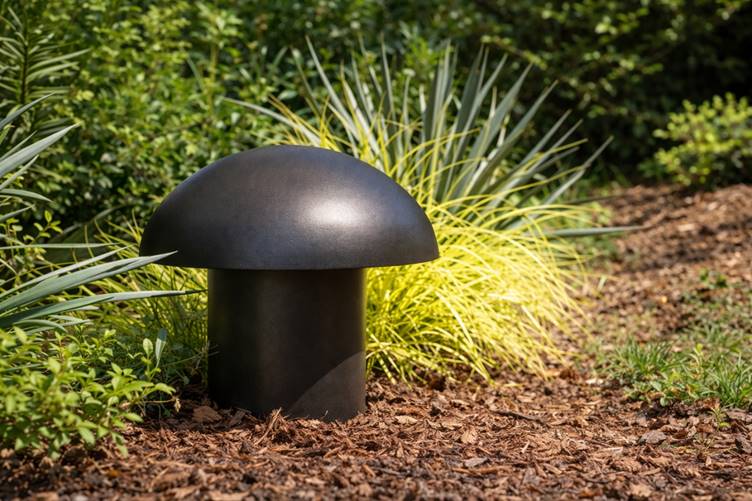
Specs
| Spec | Detail |
| Available Sizes | 10-inch or 12-inch |
| Driver | 12″ mica-injected polypropylene cone, 10″ mica-injected polypropylene cone |
| Design | In-ground outdoor subwoofer |
| Placement | Buried with exposed port canopy |
| Application | Large yard systems |
Why We Chose It
The Proficient Signature In-Ground Subwoofer is chosen when outdoor bass needs real scale. Once buried, only the canopy remains visible. The cabinet uses the surrounding soil as part of its acoustic loading, which increases efficiency compared to surface units.
This type of system demands proper drainage and amplifier planning. You cannot shortcut installation. However, once integrated with multiple landscape speakers, it produces low end that carries across wide outdoor spaces without sounding strained.
Compared to the MartinLogan Outdoor Foundation Sub, it leans more toward raw output. Compared to the Focal OD Sub 12, it is less flexible to relocate but significantly stronger for open lawns and entertainment areas.
Pros and Cons
| Pros | Cons |
| Strong output for open yards | Permanent installation |
| Minimal visible hardware | Requires trenching and drainage |
| Scales well with multiple satellites | Needs dedicated amplification |
Conclusion
Here’s what we’ve learned after building rooms from simple 5.2.4 setups to full 9.4.6 theatres. Most people don’t regret buying a subwoofer. They regret buying the wrong one for their space. A huge ported box in a reflective living room can feel overwhelming. A smaller sealed sub in a 3,000 cubic foot room can feel thin. The issue is not the brand. It is the match. When the subwoofer fits the space, everything settles into place. If you’re not sure what your room actually needs, that’s the conversation we have every day. Schedule a Dreamedia consultation and let’s design it properly the first time.