Description
The Simple Bridge to Streaming Audio
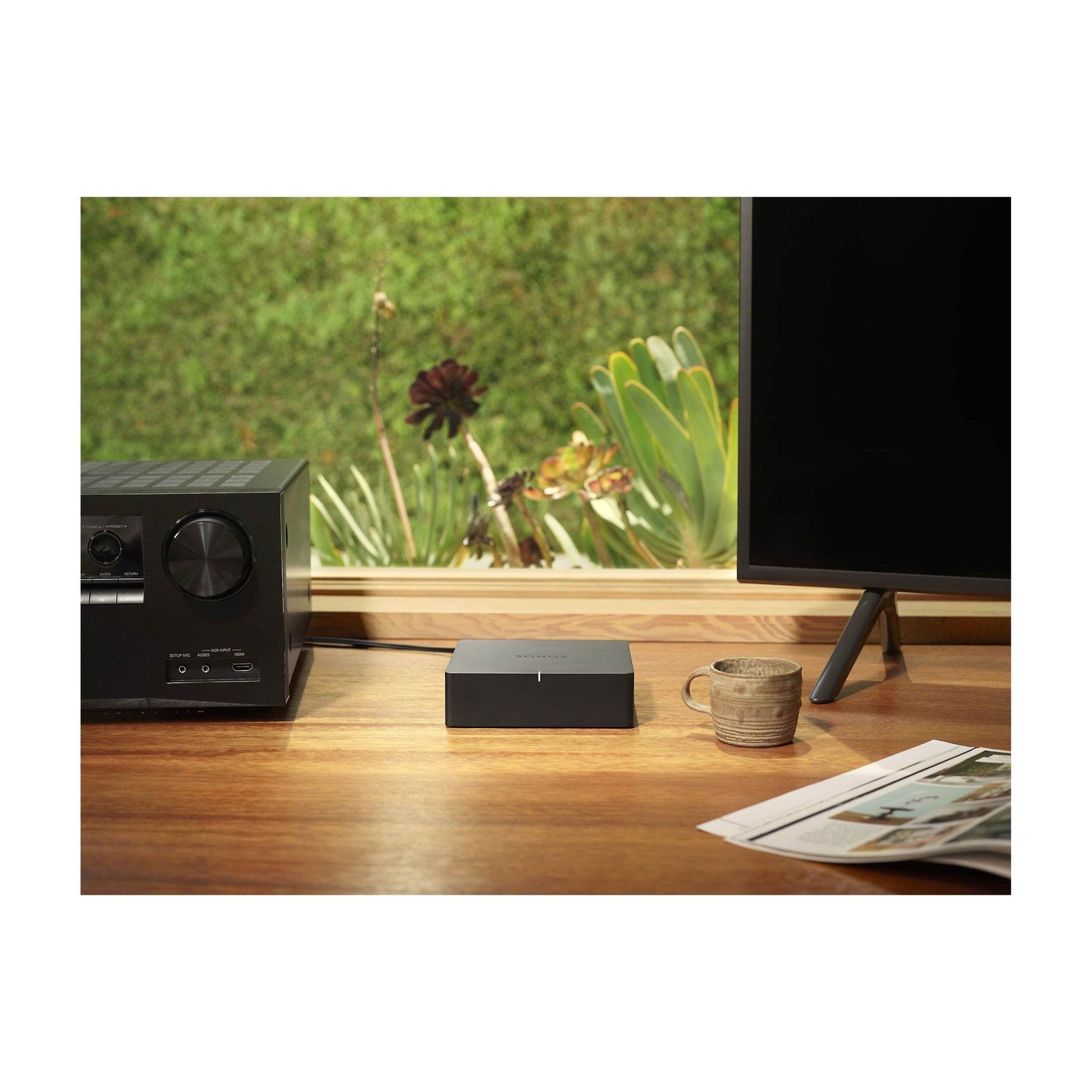
If you have an amplifier and speakers you love, you may have been curious how you can integrate it with all this new streaming technology. Wanting to upgrade often means leaving what you have behind. Not with the Sonos Port though, it helps you add streaming to your current system.
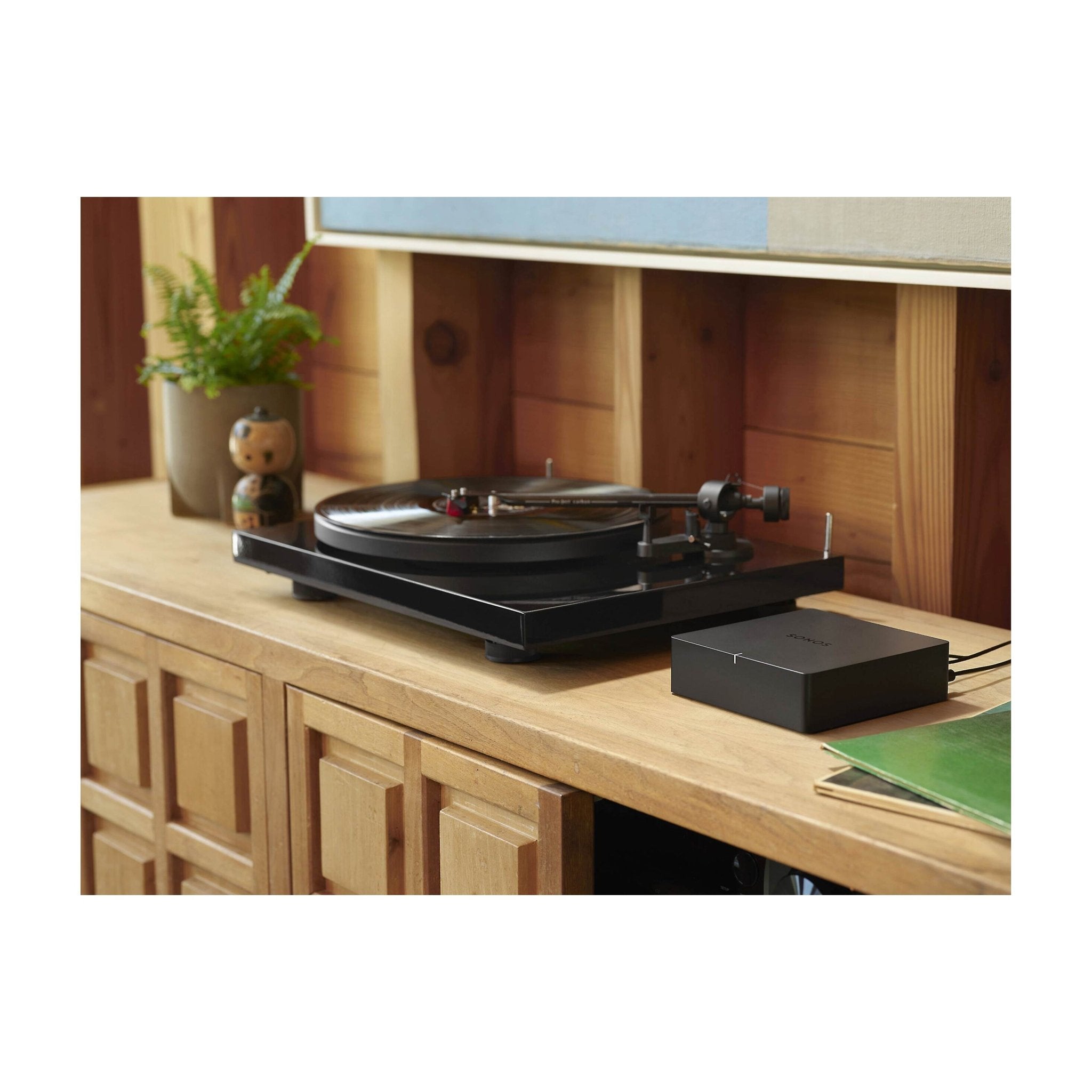
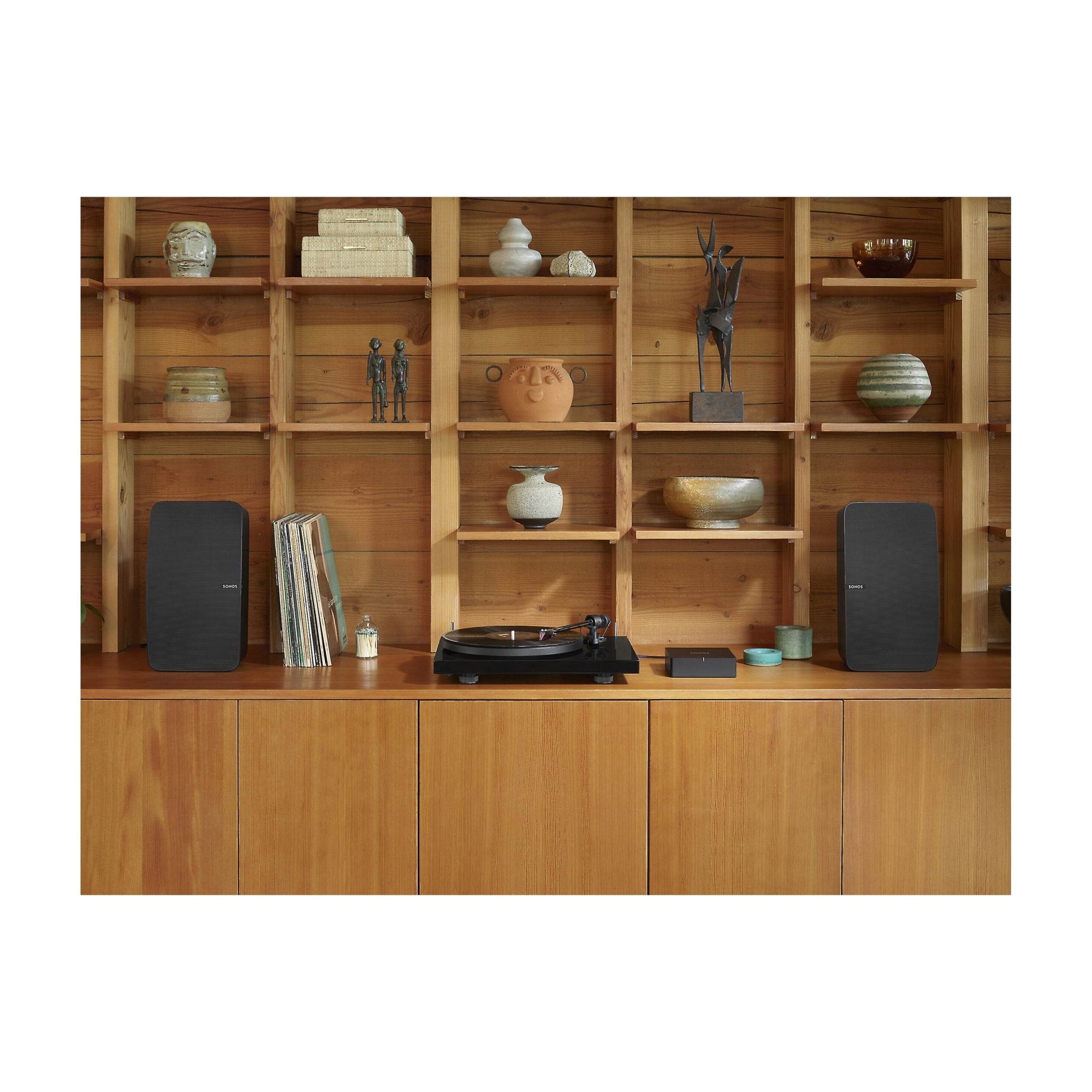
It can act as sort of gateway between new and old. Your turntable, CD player, playlists, and everything else you have can all live in one convenient place. Control feels intuitive once everything is connected. Changing from source to source is quick and natural.
Built to Accommodate Real Life Listening
Why the Sonos Port is so user friendly is how it works with how you already listen to music. Wireless streaming over Wi-Fi, wired capability with Ethernet, or even streaming directly from your iPhone with AirPlay. It doesn’t matter how you typically listen; the Sonos Port works with you.
Inputs and outputs are a cinch as well. Both analog and digital outputs allow you to connect to new tech or hook up to something a little older. Dreamedia+ allows us to tweak the location and audio paths so that speakers are balanced and everything is straightforward to use.
Simple Control, Future Expandability
Where the Sonos Port shines though is control. The Port works through the Sonos app, which means you never have to fumble through multiple remotes or apps to listen to music. Hop in the kitchen to skip a song? Dim the volume from your bedroom? It’s quick and easy.
The best part about it though is how you can expand with Sonos over time. Start with one system, add speakers down the road, or incorporate multiple zones throughout your house when you’re ready. It can even be integrated into a surround sound system later on. The Port allows you to keep things simple, while still having room to grow.
Key Features
Add streaming capabilities to your current amplifier and speaker setup
Wireless streaming with Wi-Fi, Ethernet available, or wireless streaming straight from your iPhone with Apple AirPlay 2
Works with analog audio inputs and digital optical outputs
Control your music with the Sonos app, voice commands, and multiroom audio
Expandable to a whole home audio system
Introduction
The Sonos Port is a versatile and feature-rich device that aims to integrate traditional hi-fi setups into the modern world of multi-room streaming and smart home technology. With its sleek design, compatibility with various streaming services, and ability to connect to high-end speakers and amplifiers, the Sonos Port offers a compelling solution for music enthusiasts looking to upgrade their audio experience. In this review, we will delve into the design, features, audio quality, compatibility, and limitations of the Sonos Port to help you make an informed decision.
Design and Build Quality
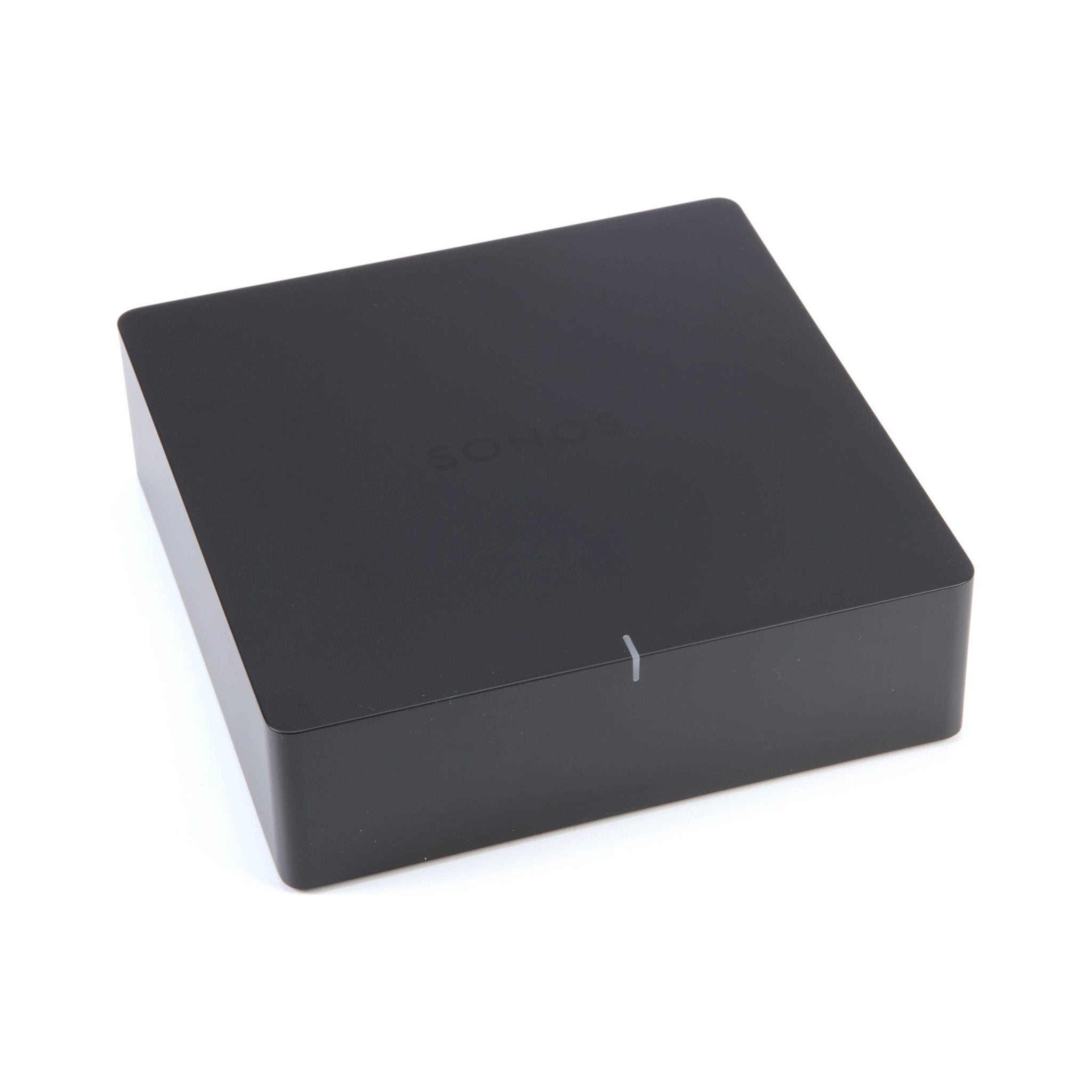
Starting with its design, the Sonos Port boasts a slim and compact form factor, making it easy to fit into any audio setup. The matte black finish adds an elegant touch, blending seamlessly with other components in your system. With dimensions of 4.1 x 13.8 x 13.8cm and weighing just 0.47kg, the Sonos Port is lightweight and can be discreetly placed wherever it's needed.
Connectivity Options
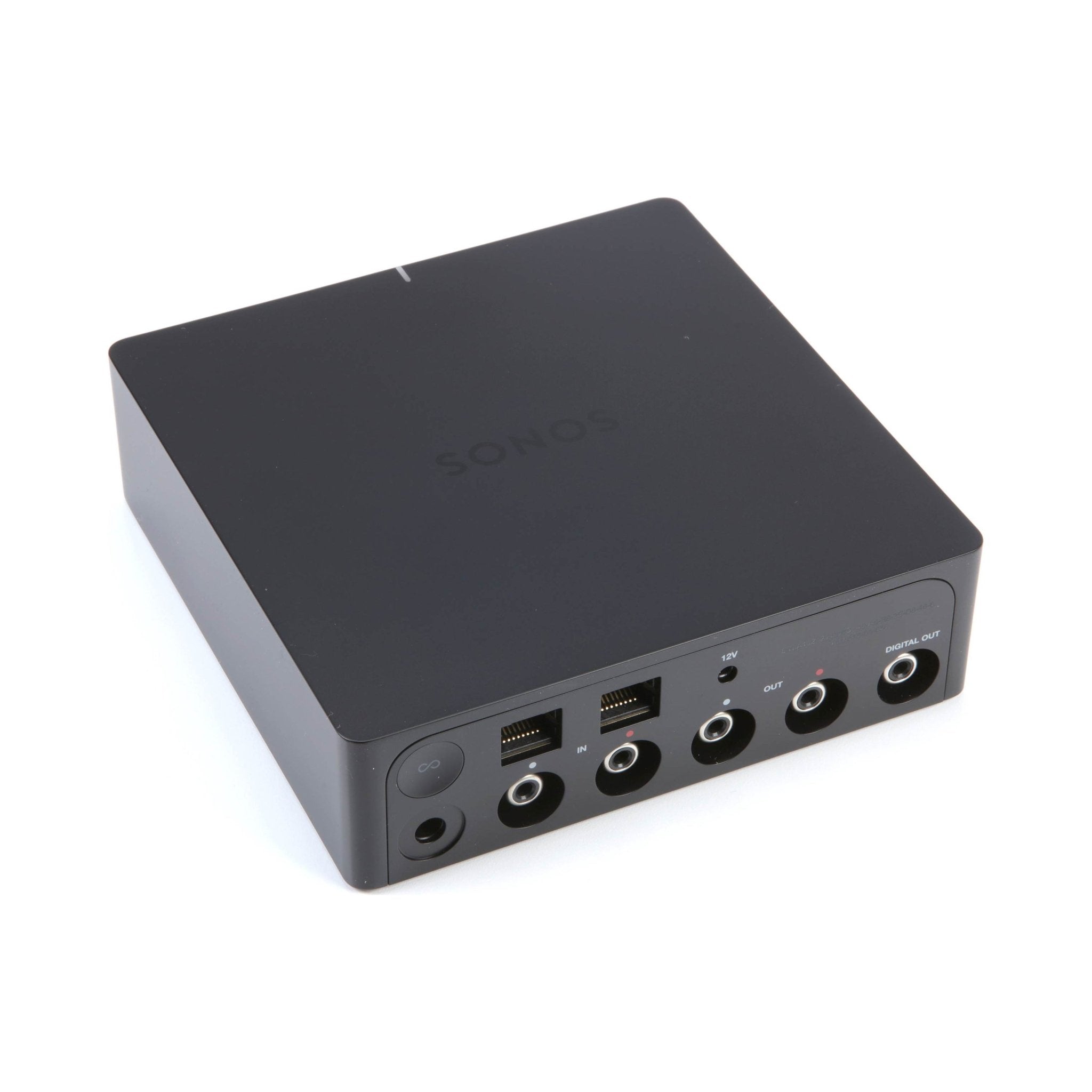
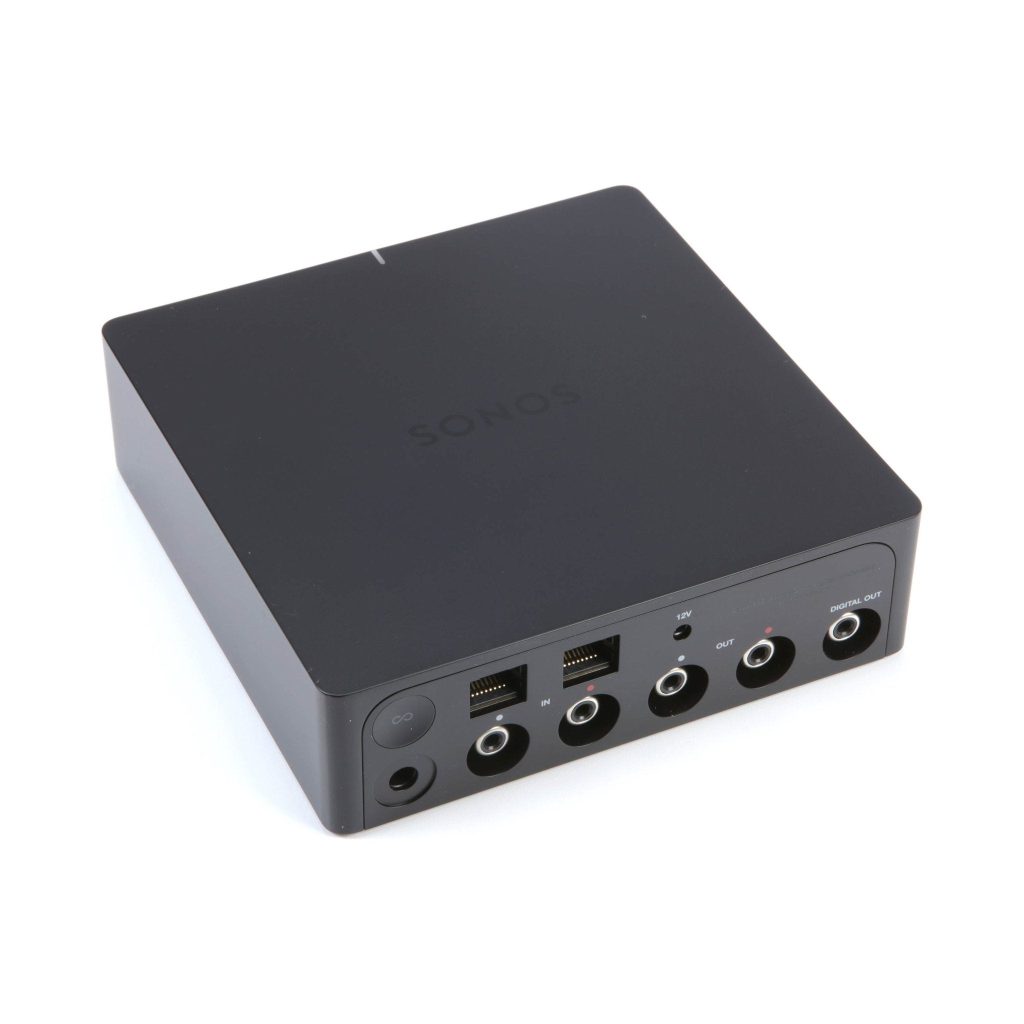
The Sonos Port offers a range of connectivity options to ensure seamless integration with your existing audio system. It features two Ethernet ports for a stable and reliable wired connection, along with built-in Wi-Fi for wireless connectivity. This flexibility allows you to choose the most suitable connection method for your setup. Additionally, the Sonos Port is compatible with Apple AirPlay 2, enabling effortless streaming from your Apple devices.
The device also includes analog stereo inputs and outputs, providing compatibility with a wide range of audio sources. Furthermore, the coaxial S/PDIF connector allows for digital audio transmission, ensuring optimal sound quality. Notably, the Sonos Port incorporates a 12V trigger for automation, enabling seamless integration with other home theater components.
Multi-Room Streaming and Integration
One of the key features of the Sonos Port is its ability to act as a multi-room streaming module for traditional hi-fi setups. This means that you can stream music from various sources, including offline components like turntables and CD players, throughout your house. The Sonos app serves as the central hub for controlling your music, allowing you to link multiple sources and create a queue without navigating different apps. This level of integration and convenience makes the Sonos Port a powerful addition to any home audio system.
Audio Quality
To cater to individual preferences, the Sonos Port offers bass and treble adjustments, allowing you to fine-tune the audio to your liking. Additionally, the device can be configured to bypass the digital signal processing (DSP) circuitry, potentially improving the audio quality for audiophiles seeking a purer sound. However, it is worth noting that some users have reported a lack of punch and overall audio performance compared to alternative options on the market.
Compatibility and Control
The Sonos Port is compatible with popular voice assistants such as Amazon Alexa, Google Assistant, and Apple Siri. This means that you can control your music with simple voice commands, adding convenience to your listening experience. Moreover, the Sonos app provides a user-friendly interface for streaming music from a wide range of services, ensuring that you have access to your favorite tracks at your fingertips.
Comparison with Alternatives
When comparing the Sonos Port to alternative multi-room streamers, one notable competitor is the Bluesound Node 2i. While the Sonos Port offers sleek design and compatibility with newer technologies, the Bluesound Node 2i is often praised for its superior sound quality. This may be an important factor to consider for audiophiles seeking the best audio performance.
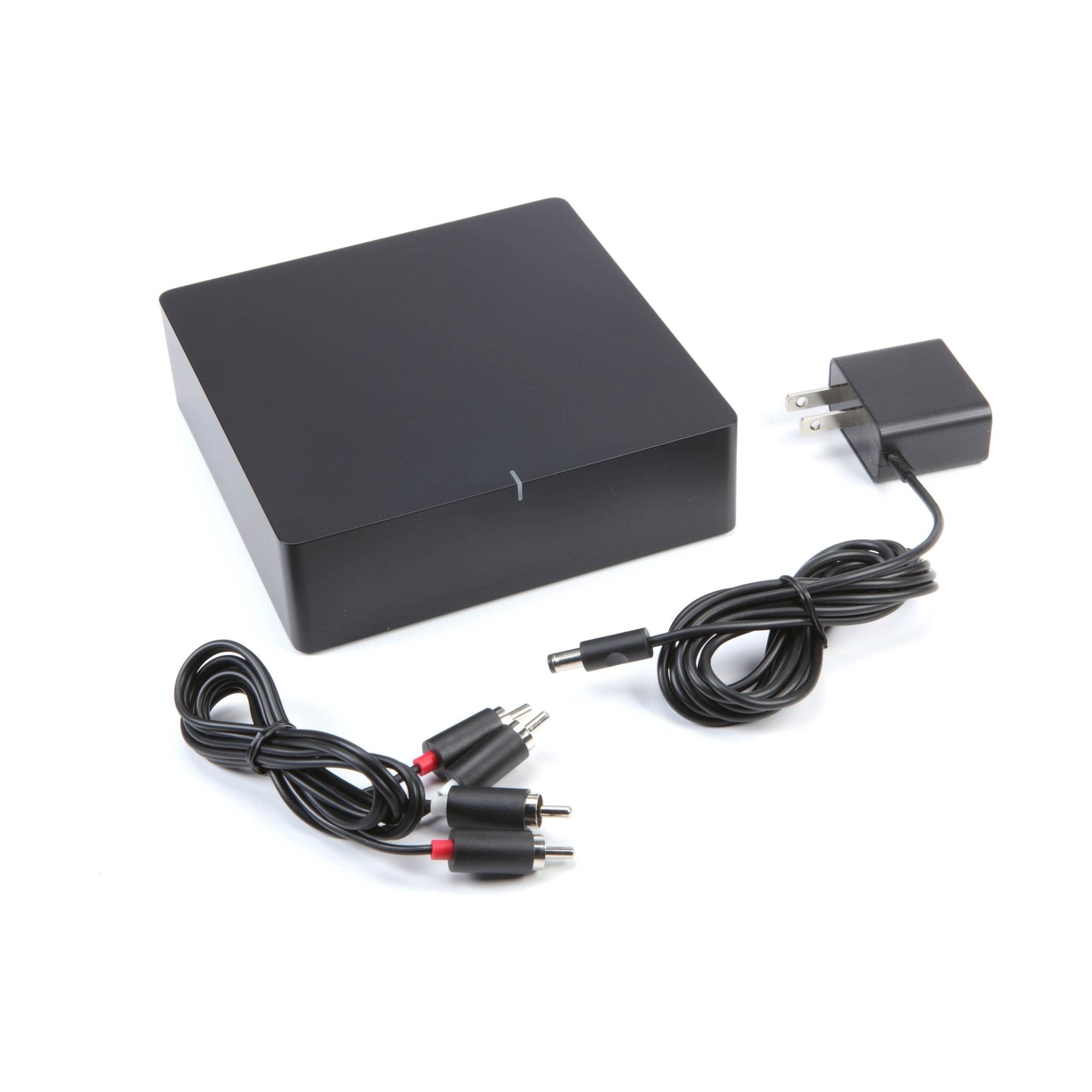
It is worth noting that the Sonos Port is priced at $449, which may appear steep compared to alternative options that offer better sound quality. Additionally, it is important to mention that the Sonos Port comes with only one RCA cable, and additional cables such as a Y adapter or coaxial cable need to be purchased separately.
Limitations and Concerns
While the Sonos Port offers a range of features and capabilities, there are a few limitations to be aware of. Some users have reported that the presentation can be disorganized and lacking in dynamic expression, potentially impacting the overall listening experience. Additionally, to achieve improved sound quality, an external investment in a digital-to-analog converter (DAC) may be necessary, which could add to the overall cost.
Furthermore, it is important to note that setting up 802.11n-only configurations is not supported by the Sonos ecosystem. This may be a limitation for users who rely on older network setups. Some users have also reported that the audio quality of the Sonos Port may be inferior to the Connect model, with a flattened and compressed sound field.
Lastly, changing the line-out setting to bypass the DSP circuitry eliminates volume control through the Sonos app. This may be a drawback for users who value the convenience of controlling the volume through the app.
Conclusion
In conclusion, the Sonos Port offers a sleek and compact solution for integrating traditional hi-fi setups into the world of multi-room streaming. With its compatibility with various streaming services, convenient control through the Sonos app, and ability to connect to high-end speakers and amplifiers, the Sonos Port provides versatility and convenience for streaming audio throughout your home. However, it is important to consider its limitations, such as potential audio quality issues and the need for additional investments for improved sound quality. Overall, the Sonos Port is a solid choice for music enthusiasts looking to upgrade their audio experience, but alternative options should be considered for those seeking the highest audio performance.




































Reviews
There are no reviews yet.